Lead Magnets: Turn Visitors into Buyers Instantly


Let’s talk about Lead Magnets!
Growing a successful business in 2026 means consistently capturing quality leads and nurturing them effectively. Lead magnets play a crucial role in this process, offering valuable content or incentives in exchange for customer information.
The emphasis now is not just on the quantity of leads but on attracting and converting the right ones.
With conversion rates becoming more competitive, quality-focused lead generation has become essential.
Recent statistics show that 79% of marketing leads fail to convert without proper follow-up, underlining the importance of targeted, high-converting lead magnets.
This guide covers the top lead magnet strategies, examples, and tools that drive success in 2025.
From mobile-first formats to personalized AI chatbots, you’ll find the latest insights, examples, and case studies.
TL;DR: Level Up Your Lead Capture
Forget generic pop-ups! In 2025, it’s all about attracting the right leads with high-value lead magnets. Think beyond just gathering emails; focus on creating resources that truly resonate with your audience and solve their specific problems.
Key takeaways:
- Quality over quantity: It’s about attracting the right leads for better conversion rates.
- Provide real value: Offer instant gratification with solutions like checklists, templates, or quick-win guides.
- Showcase your expertise: Build trust and authority by creating lead magnets that demonstrate your knowledge and offer valuable insights.
- Get interactive: Boost engagement with quizzes, calculators, and AI-driven assessments.
- Optimize for mobile: Create bite-sized, mobile-friendly content for on-the-go access.
Bonus: Don’t just create; promote! Use blog content, your website, and targeted ads to get your lead magnets in front of the right people.
Ready to create lead magnets that convert? This guide gives you the tools and strategies to make it happen!Sources and related content
What is a lead magnet?
A lead magnet is a tool or resource that captures potential customers’ information, such as their email addresses, in exchange for something valuable.
It’s meant to capture their attention and convince them to provide you with their contact details – typically an email address and a name.
Today, lead magnets are more advanced and customer-focused, often tailored through segmentation and personalized content.
In 2026, effective lead magnets are not only informational but also highly interactive, driving engagement from the outset.
Why every business needs a lead magnet
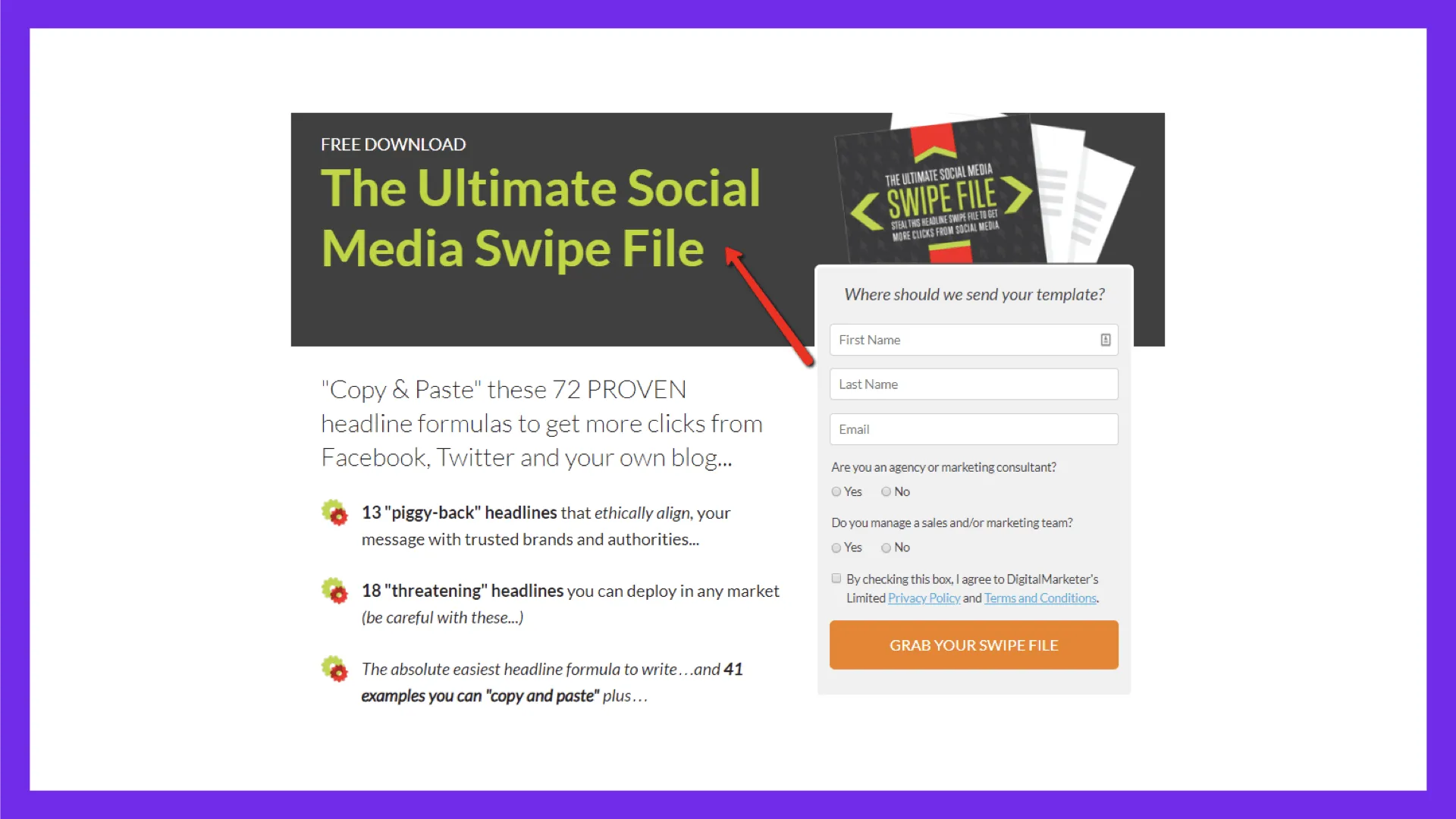
People have grown accustomed to dismissing generic pop-ups and forms that lack value.
After all, why would anyone share their email just to “receive a newsletter”?
Yet, building an email list remains essential. But why exactly?
The reason is simple: you need an engaged audience to connect with directly.
While advertising and publishing content on social media, blogs, and industry websites is effective for brand awareness, deeper engagement is key as you guide users toward a sale.
To achieve that, creating a personal connection is critical—understanding their needs and communicating with them 1-on-1.
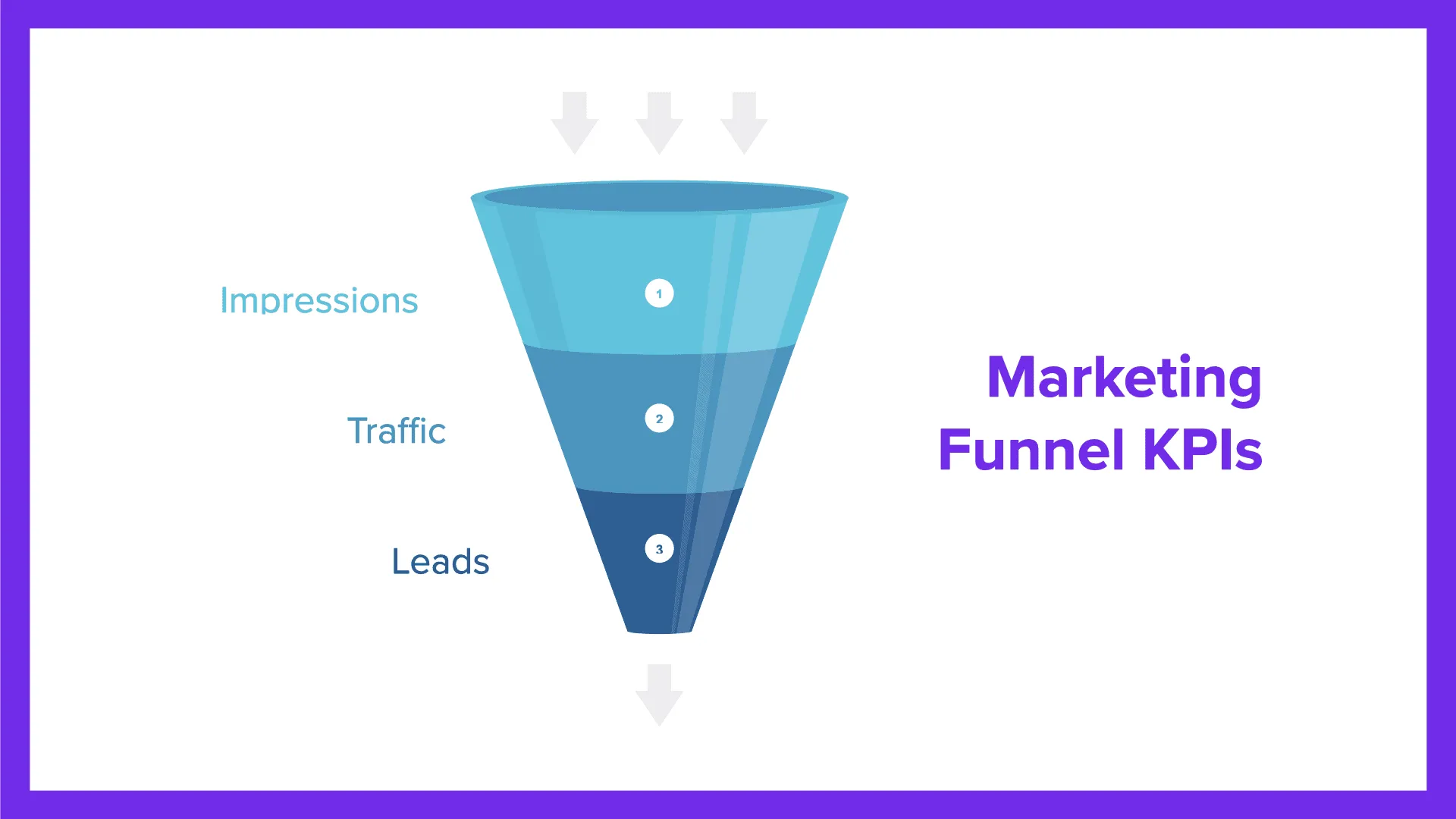
The more high-ticket your product or service, the more vital it becomes to have this middle step in your marketing funnel.
An email list allows you to do exactly this. It’s a direct line to potential customers, helping you nurture leads and build relationships that can convert.
And how do you build a quality email list in a world where people ignore plain pop-ups?
By using value-driven Lead Magnets that give users a real reason to opt in.
What makes a good lead magnet?
The goal of a Lead Magnet is to generate leads that we can then nurture and turn into paying customers.
The more leads a Lead Magnet can generate, from the same audience, the better it is, so this should be our baseline criterion for judging their performance.
To make a Lead Magnet convert at an efficient rate, between 5% and 15%, we need to keep in mind the following principles when creating them:
1. Relevance to your audience
Your Lead Magnet should address a need or interest directly related to your audience’s preferences. For example, a “Beginner’s Guide to Email Marketing” might not appeal to customers of a niche brand like HappySocks. Instead, offering a 20% discount or free shipping on a first order would resonate more and encourage conversions.
2. Solves a specific problem
Focus on one clear, actionable benefit that addresses a specific challenge. Rather than covering broad topics, pinpoint a single problem—such as writing compelling headlines or conducting quick keyword research—and create a resource that offers a quick win. This approach ensures your audience feels an immediate payoff, making them more likely to trust and engage further.
3. Provides instant gratification
Quick solutions are key. While a 12-part mini-class might be packed with value, the delayed delivery could reduce engagement. Lead Magnets that provide instant access to a valuable resource, like a checklist or template, meet immediate needs and keep potential customers engaged.
4. High perceived value
The more valuable the Lead Magnet seems, the more likely people are to exchange their contact information for it. A vague offer like “sign up for our newsletter” has low appeal, while something like “Exclusive 5-Step Guide to Boosting Your Sales” is likely to attract more interest. High-value Lead Magnets can justify collecting additional contact details like name, email, or company information.
5. Showcases your expertise
A great Lead Magnet builds authority and trust with your audience. Educational resources in particular should demonstrate your expertise in the topic, positioning you as a trusted source. This not only builds credibility but also primes your audience for future interactions and potential sales.
6. Low-friction exchange
If signing up feels like work, people won’t do it. Keep your opt-in quick and easy so you can capture more leads without adding unnecessary steps.
7. Easily shareable
Lead magnets spread faster when they’re easy to forward, save, or share with a teammate. Create assets that your audience will want to pass along.
With these principles in place, you’re ready to create Lead Magnets that engage, provide value, and set the foundation for long-term customer relationships.
How to build a lead magnet
Step #1: competitor research
Effective marketing research often begins with a look at what competitors are doing.
Studying direct and indirect competitors, especially those generating high sales, can reveal valuable lead magnet strategies.
Here’s how to perform comprehensive competitor research in 2025:
Meta Ads Library
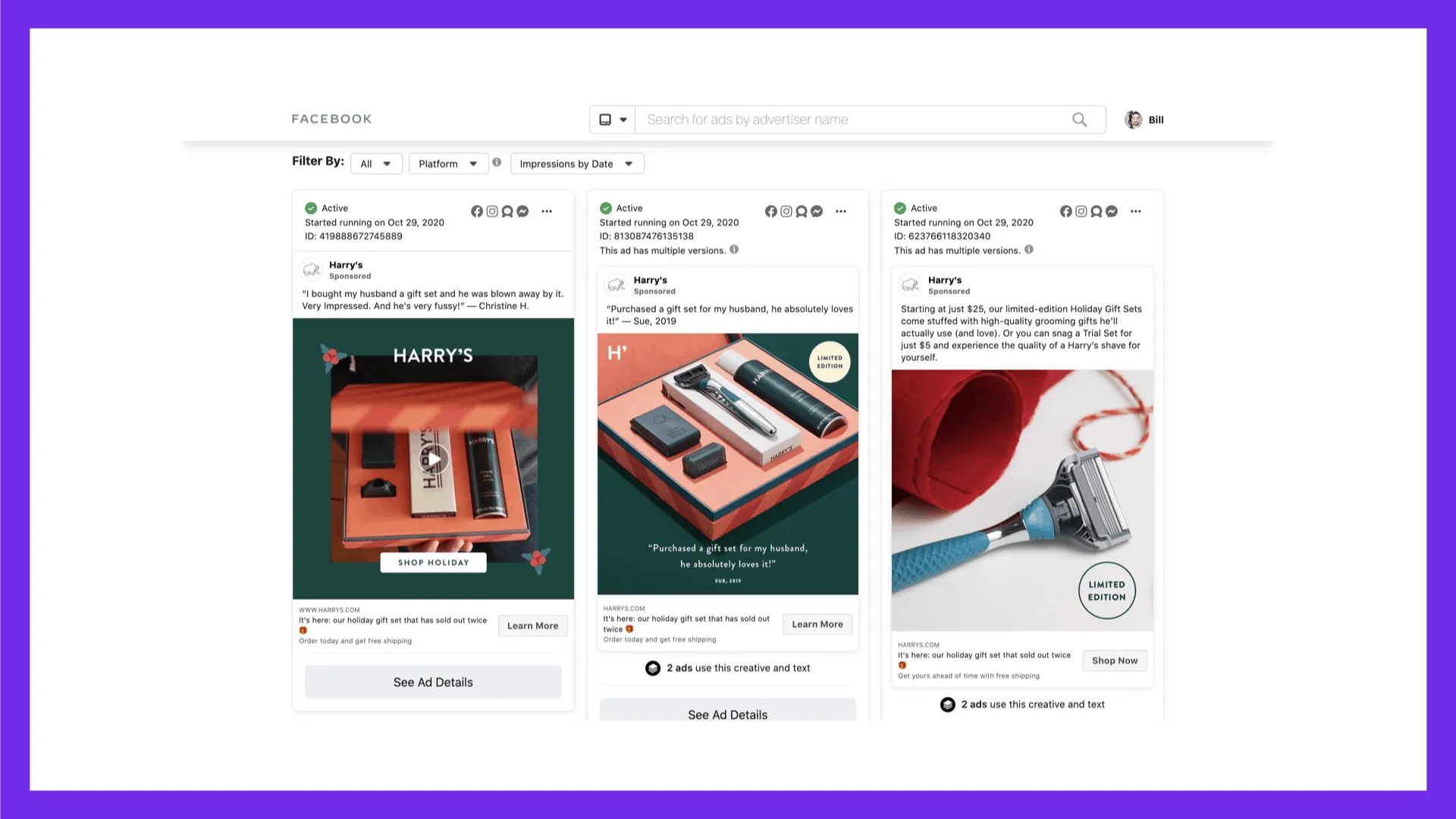
The Meta Ads Library (formerly Facebook Ads Library) is an excellent tool to see competitors’ current ad campaigns. If they’re running ads for lead magnets, you’ll likely spot them here. Use this resource to uncover which offers and lead magnets competitors are actively promoting.
Blog section
A commonplace for Lead Magnets is to be used inside blog posts. Either as content upgrades, exit intent pop-ups, or embedded forms and lists. Go through 5-6 articles and check if your competitors are trying to generate leads from their blog traffic.
Main website
Especially for eCommerce businesses, where most of the website is the sales platform, it’s quite common to have pop-ups and banners with Lead Magnets on the homepage, product pages, and the checkout. The same is true for SaaS businesses and other kinds of businesses as well, so don’t neglect to go through it thoroughly.
Header button
Usually, on the top right of a desktop website, each business places its main CTA / Lead Magnet.
For eCommerce, it’s a cart icon. For consultants and service providers it might be a “Contact us” button, Whatever it is, don’t forget to check it out.

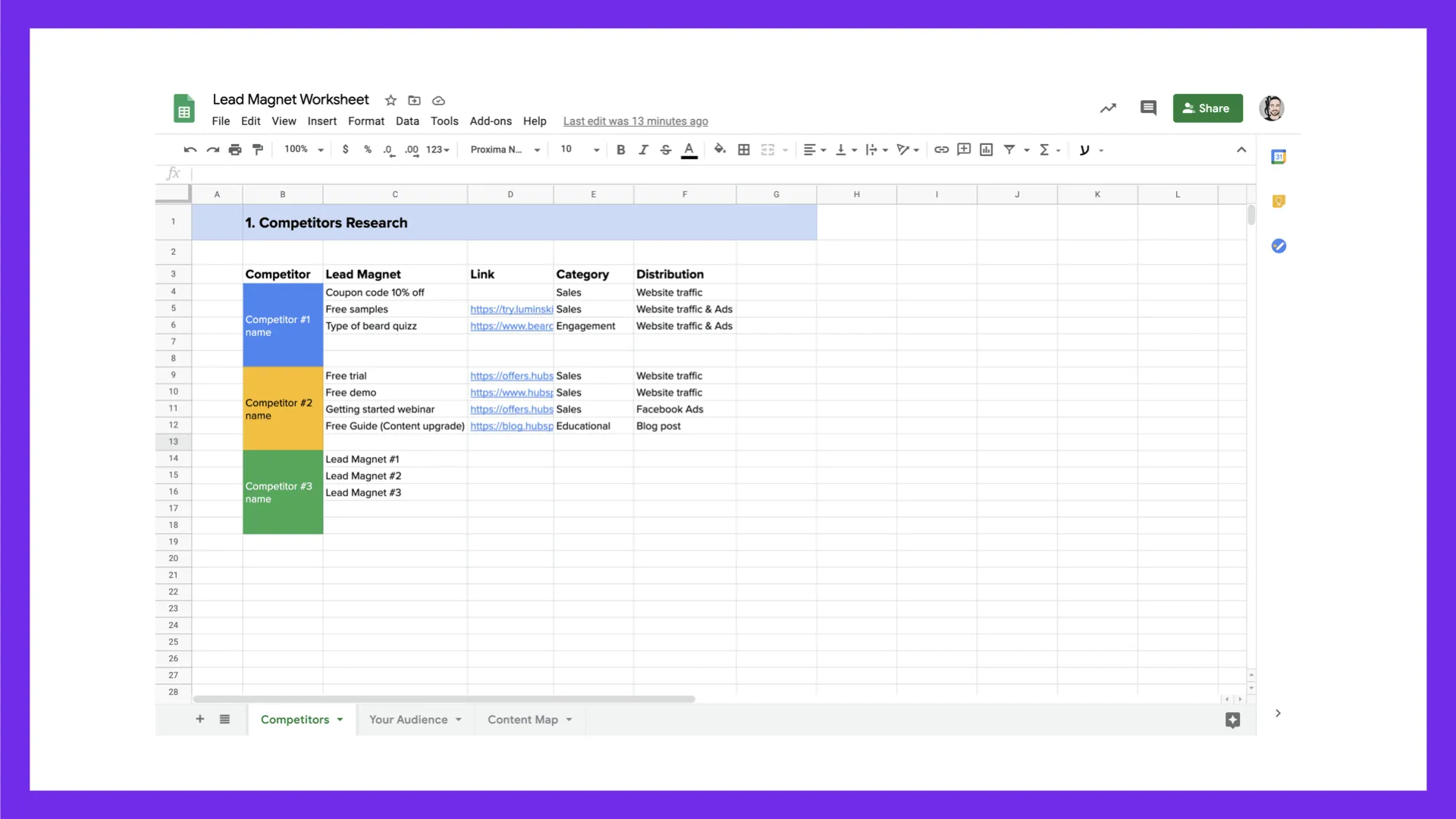
Before you start building your Lead Magnet, create a new Google Sheet where you can keep track of the different Lead Magnets your competitors are using.
🔥 Pro Tip: Use Incognito Mode for competitor research. Many websites trigger pop-ups and lead magnets only on the first visit, so browsing in Incognito will let you see these elements as new visitors do.
Step #2: research your audience
If you have existing traffic on your website, whether it is from paid or organic channels, it is worth looking at the pages of your blog that have the most traffic, as well as the keywords people use to find your website.
This will help you uncover the real reasons why people are coming to you, along with the questions that they are looking to answer.
Where to look:
Google Search Console
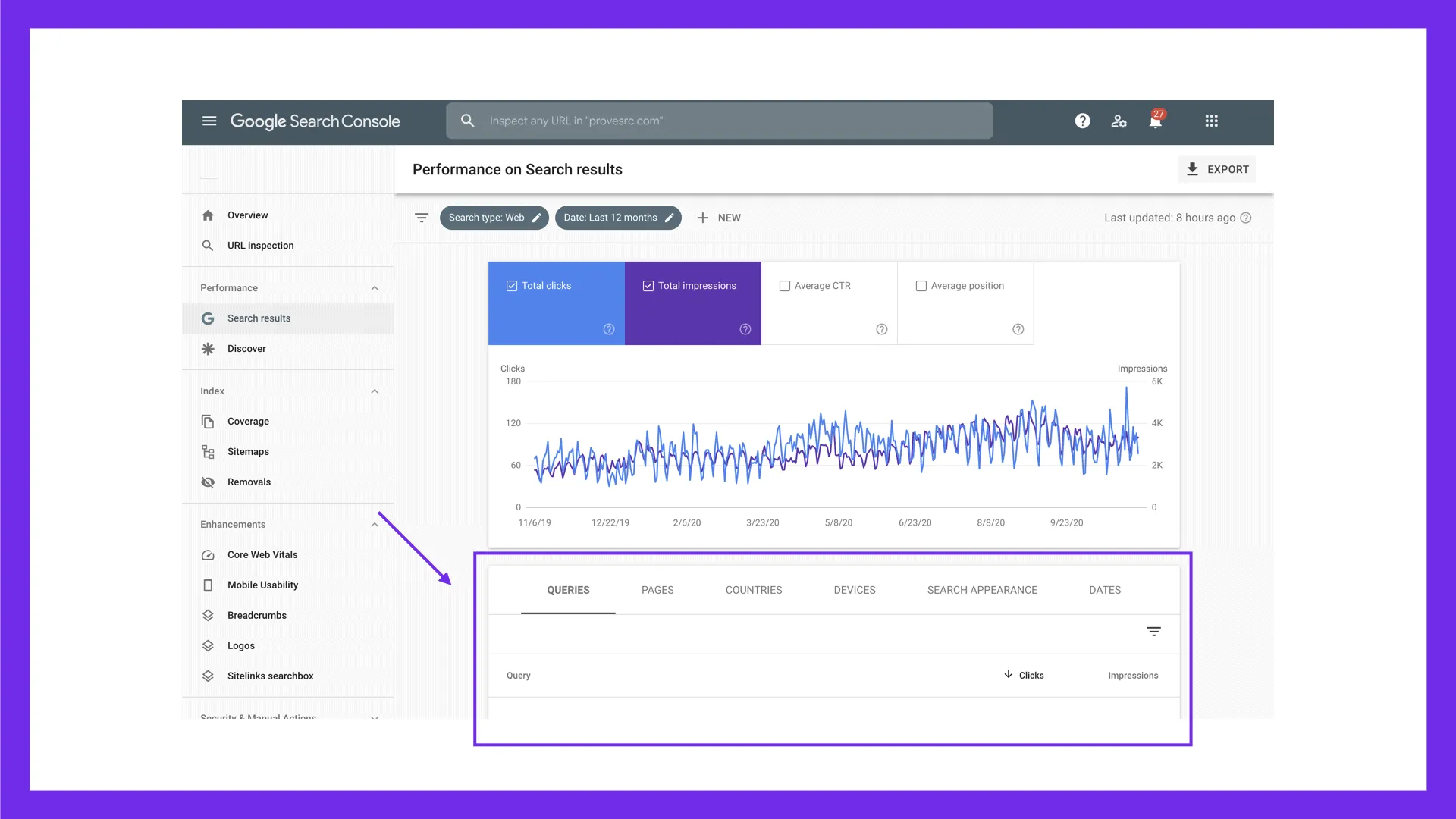
Navigate to Search Results > Queries to view top search terms bringing traffic to your site. Take note of keywords showcasing user intent and consider creating lead magnets around these topics. This can give insights into the specific questions and needs driving users to your content.
Google Analytics
In GA4, go to Reports > Engagement > Pages and Screens. Use the search or filter bar at the top to filter by /blog or other relevant paths. This report shows your top pages based on user engagement, helping identify which blog posts or landing pages are the best performers. Use these pages as inspiration for creating lead magnets aligned with high-interest content.
Social media
Review performance metrics on social media channels, such as YouTube, Instagram, or LinkedIn, to see which content is engaging your audience most. Note top-performing videos, posts, or topics to inspire lead magnets that capitalize on these interests.
Audience behavior tools
Tools like Hotjar or Crazy Egg offer insights into where users are clicking and spending the most time on your site. Analyzing these behaviors can reveal specific interests or points of engagement that may guide your lead magnet topics.
Tracking high-engagement content across these platforms will allow you to craft lead magnets that are relevant, valuable, and more likely to attract sign-ups.
Step #3: research the market
To create lead magnets that resonate, it’s essential to understand what your audience is searching for, even if you don’t yet have significant website traffic or social media insights. Here are effective ways to uncover your audience’s needs and pain points:
Amazon Books & bestsellers
Search for books in your industry on Amazon, focusing on the top-rated titles. Note common themes, popular subtopics, and even reader reviews to identify gaps and recurring pain points.
Facebook & Reddit communities
Facebook groups and subreddits have become invaluable for accessing real conversations within your audience. Use these platforms to observe recurring questions, challenges, and trends directly from your target market.
AnswerThePublic
This tool remains invaluable for uncovering the questions and phrases people search online. By entering key topics, you can explore related questions, which can spark ideas for lead magnets that address your audience’s specific concerns.
Google Trends
Monitor rising trends and search interest over time by plugging in key industry terms. Google Trends can give you ideas for seasonally relevant lead magnets, like guides or templates for annual tasks or events.
Ahrefs or SEMrush
Research top-ranking content around your keywords. These SEO tools allow you to uncover themes, frequently asked questions, and content gaps on high-ranking pages, providing insight into what users are interested in reading and learning about.
BuzzSumo
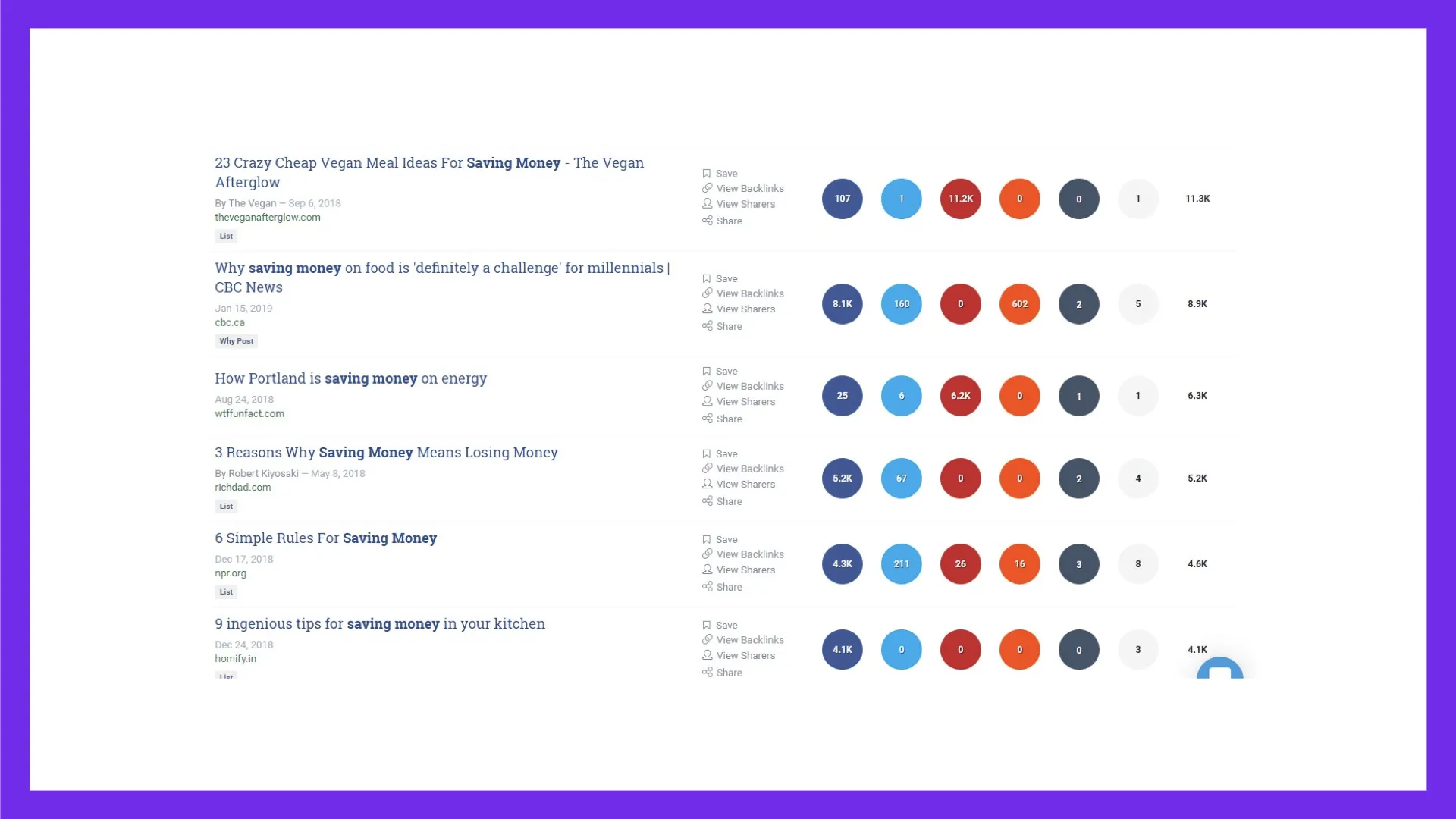
With BuzzSumo, you can analyze top-performing content on various social media platforms. Find topics generating significant engagement and create lead magnets, like downloadable guides, quizzes, or interactive calculators, to attract a similar audience.
Example Idea: Suppose you’re in financial planning, and a trending topic is “saving money on subscriptions.” You could create a calculator that allows users to quantify potential savings by reducing certain expenses, such as cutting out streaming services, weekly dining out, or luxury purchases.
Step #4: choose a lead magnet category
Lead magnets can be grouped into specific categories based on their purpose and the stage of the customer journey they serve. Let’s dive into each category!
- Sales-focused (BOFU): Demos, Free Trials, Coupons, Case Studies. Best for high purchase intent.
- Execution-focused (Practical): Checklists, Templates, Planners, Worksheets. High conversion via immediate utility.
- Educational (MOFU/TOFU): Mini-Courses, Webinars, Ebooks, Email Courses. Builds authority and brand trust.
- Interactive (Engagement): Quizzes, Calculators, AI Assessments, Challenges. High activation and personalization.
- Mobile-optimized: Gated Videos, Infographics, One-Pagers. Designed for on-the-go accessibility.
🔹 Sales-focused lead magnets
These lead magnets are designed for users at the Bottom of Funnel (BOFU) who show high purchase intent. Ideal for moving prospects closer to a final sale, they also provide valuable insights into BOFU customers within your CRM.
Examples: Demos, Free Trials, Limited-Time Coupons, Case Studies, Free Consultations, Samples
🔹 Execution-focused / practical tools
Created to help users accomplish tasks more efficiently, these lead magnets provide practical value by addressing specific problems within your domain. They are high-converting, offering immediate utility.
Examples: Checklists, Ready-to-Use Templates, Planners, Worksheets, Guides, Content Upgrades
🔹 Educational lead magnets
Educational lead magnets are ideal for products or services that require some knowledge or understanding before a purchase decision is made. Typically used at the Middle of Funnel (MOFU) but also effective at the Top of Funnel (TOFU) for introducing audiences to your brand.
Examples: Mini-Courses, Webinars, In-Depth Guides, Ebooks, Case Studies, Email Courses
🔹 Interactive engagement lead magnets
Interactive lead magnets encourage users to participate and engage with your brand, leading to higher activation rates. They are versatile, serving as both TOFU and MOFU resources by providing personalized solutions, entertainment, or valuable feedback.
Examples: Quizzes, Interactive Calculators, AI-Driven Assessments, Challenges, Contests, Surveys
Pro Tip: Keep form fields to a minimum (often just an email) so more people complete the flow and you capture more leads.
🔹 Mobile-optimized / bite-sized content
With mobile-first browsing on the rise, these lead magnets deliver value quickly and on-the-go. They are crafted for mobile accessibility, ensuring your audience can interact seamlessly.
Examples: Gated Short Videos, Infographics, Mobile-First PDF Guides, One-Pager Resources
🔥 Tip: Every time a user engages with a lead magnet, assign points to their profile in your CRM. This way, you can easily identify your most engaged leads and focus on nurturing those with the highest scores.
Step #5: build your lead magnet
Creating effective lead magnets requires the right tools and approach for each type. Here’s a breakdown of recommended tools for each lead magnet category to streamline your process and maximize results:
Sales-related lead magnets
For lead magnets geared toward conversions, a strong landing page and a compelling offer are essential. Use tools that simplify landing page creation to get your lead magnets live quickly.
- Instapage or Unbounce: Both platforms offer drag-and-drop editors and pre-made templates that let you design professional landing pages without coding. Use these tools to create conversion-focused pages that align with your brand.
- WordPress + Elementor: For those using WordPress, Elementor offers robust landing page capabilities and customization, making it easy to build high-converting pages.
Useful lead magnets
For resources like checklists, templates, or worksheets, editable formats are ideal as they allow users to personalize and implement your insights directly.
- Google Sheets and Google Docs: These are perfect for lead magnets that provide practical value. Instead of static PDFs, offer editable Google Sheets or Docs that users can copy and adapt to their own needs, such as calculators, trackers, or customized planners.
Engagement lead magnets
Engagement lead magnets, like quizzes, assessments, and giveaways, encourage interaction, making them memorable and shareable.
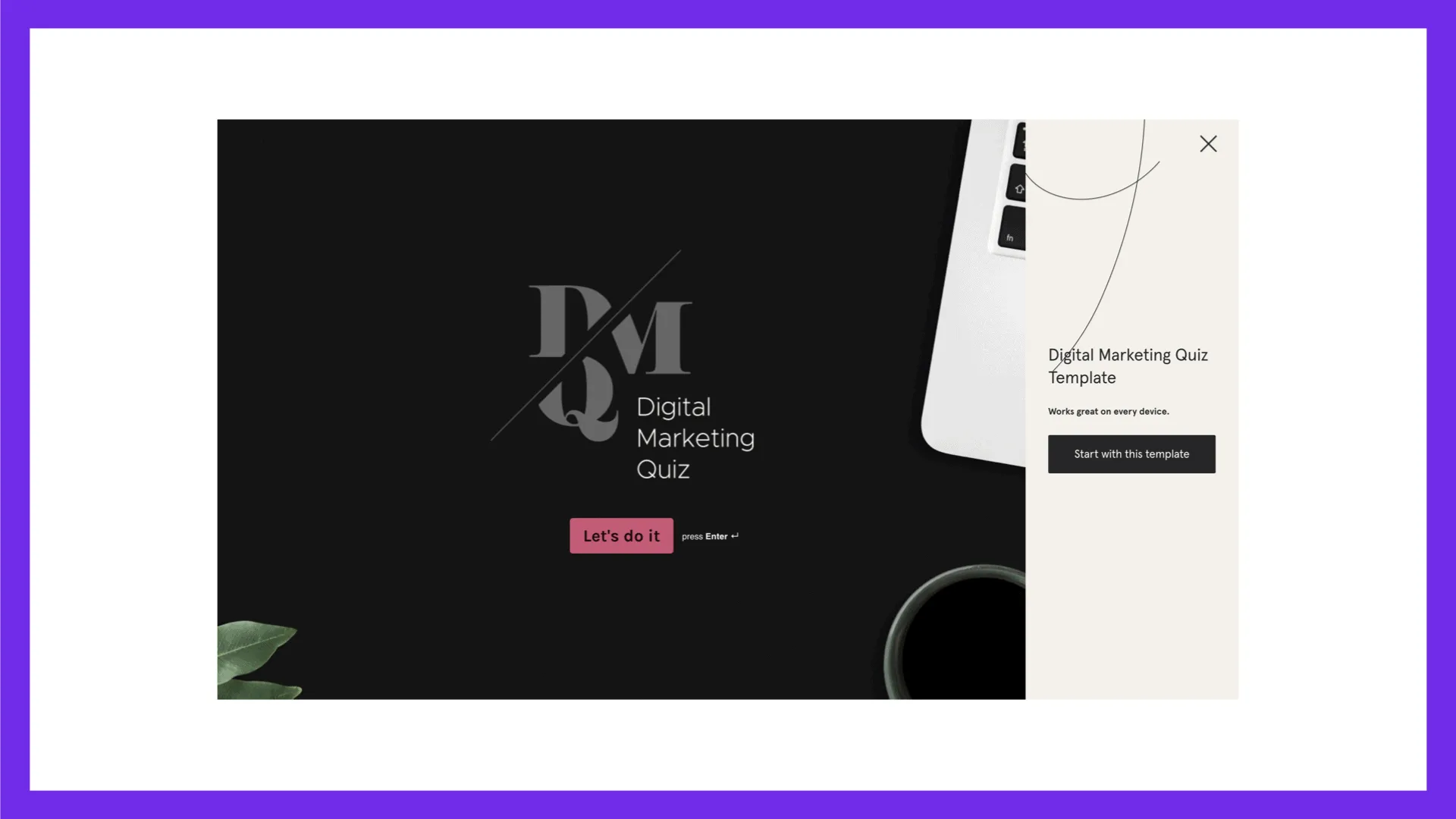
- Typeform: Typeform’s intuitive design and interactive templates make it easy to build engaging quizzes, surveys, and assessments. It’s a great tool for lead magnets that encourage user input, offering an enjoyable experience that drives conversions.
- Outgrow: For more advanced interactive content, Outgrow lets you create calculators, quizzes, and chatbots tailored to lead capture. This tool’s dynamic content features enhance engagement and allow for personalized results.
Using these tools can make your lead magnet creation process faster, ensuring that you can deliver high-quality, targeted resources to your audience without delay.
Step #6: promote your lead magnet
You got your new Lead Magnet! Now, what do you do?
Simply launching it and praying that new leads are going to jump into your CRM isn’t going to be enough.
There are 3 basic ways to generate leads with your Lead Magnets. Which one you choose depends on the type of Lead Magnet you’re using, and what you are trying to achieve.
Don’t forget the low-hanging fruit on your own pages. On-site pop-ups, sticky bars, embedded forms, and feed notifications can put your lead magnet in front of high-intent visitors while they’re already browsing—without paying for clicks.
🔸 Blog promotion
If you have a blog with quality content that attracts a high number of visitors, there’s no reason why you shouldn’t be generating leads from it.
In fact, it’s a pretty standard Content Marketing recipe to generate traffic to your blog through your content, and then turning them into leads using Content Upgrades.
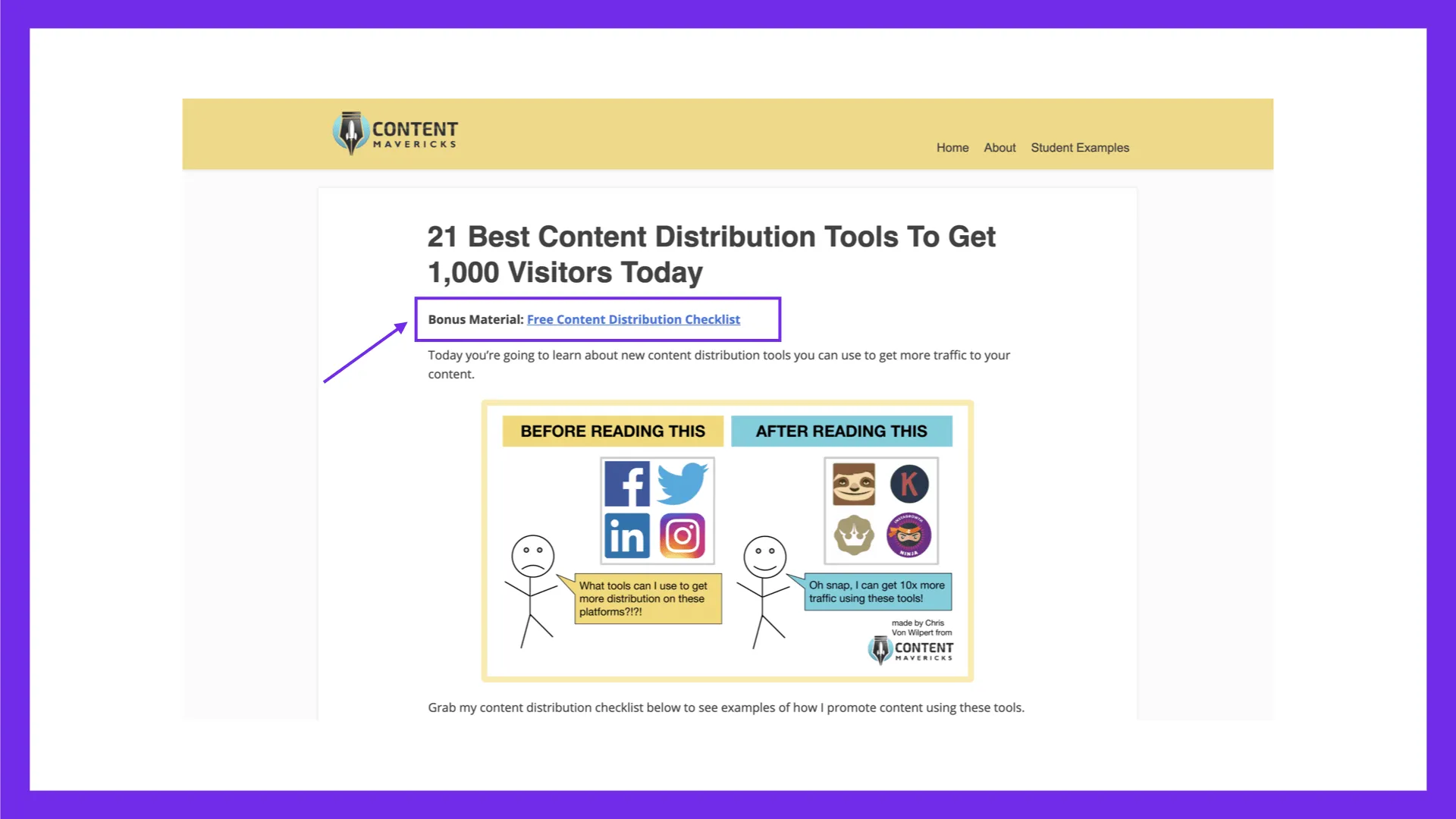
Content Upgrades can be Educational or Useful types of Lead Magnets, that are highly relevant to your article topic, and offer more value to your reader. That’s why they’re called Content “Upgrades”. The user who reads the article is almost obliged to access the additional resource that you have put together.
Some Lead Magnet types that work best for Blog promotion, apart from Content upgrades, are PDF Resources, Checklists, Templates, and Mini classes.
Example: an Article about Email Marketing + a Content Upgrade about 10+ Email templates.
🔸 Main website
How about the traffic you already have on your main website? It is completely logical to want to convert at least some of them into leads, right?
Well, that’s exactly the case. In fact, the most common types of Lead Magnets that we come across on a company’s main website, are usually Sales related Lead Magnets.
It makes sense because if you’re browsing through product and service pages, a 10% discount coupon or a free trial might be the next step you’re looking for on the way of evaluating a product before purchasing it.
🔸 Ads + landing page
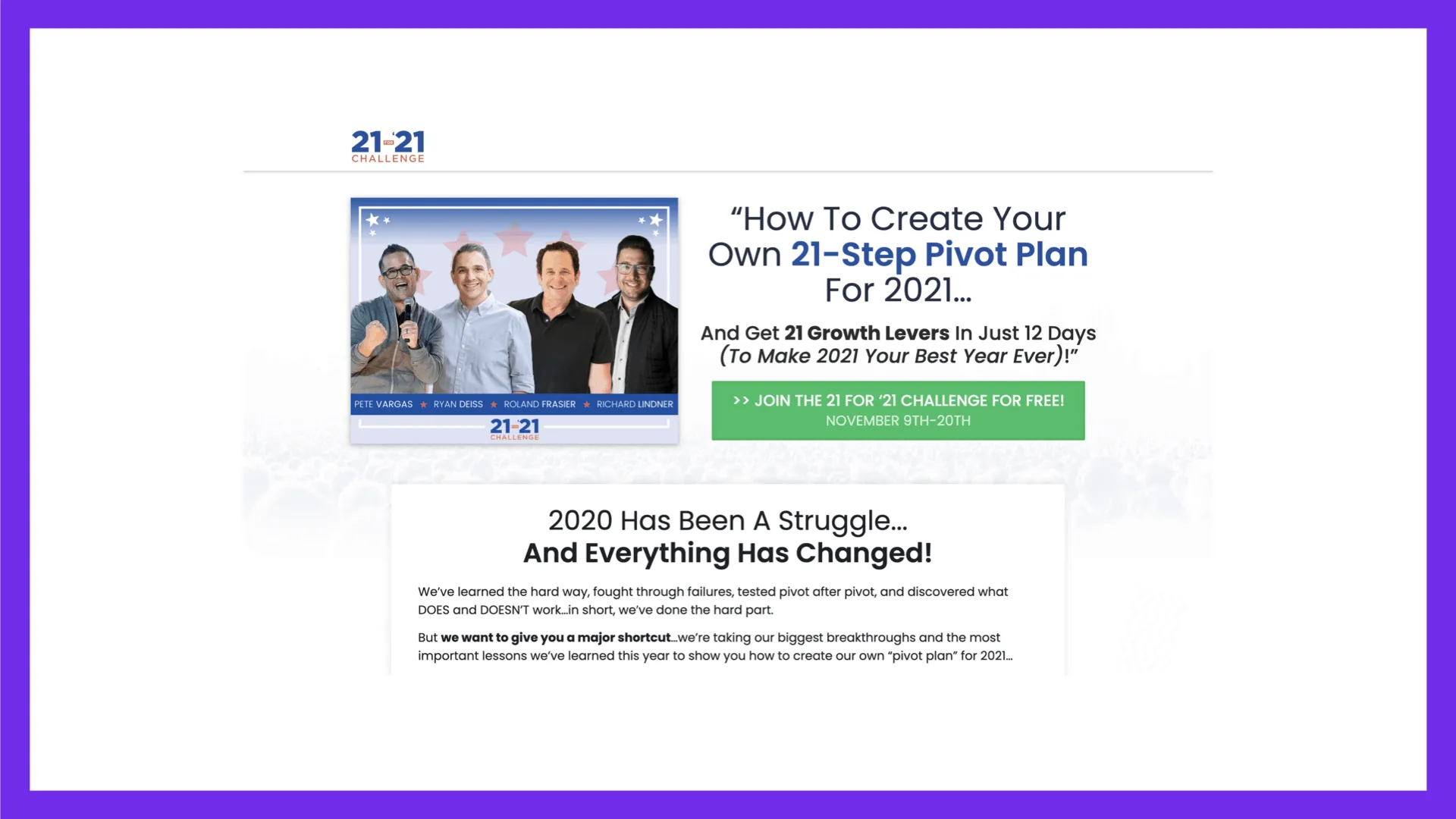
What about businesses who just started, or who are looking to generate new leads from Cold Audiences? Creating a Landing page with a strong Lead Magnet and running Facebook Ads to it can work wonders for that matter.
It is pretty common for Marketers to run ads to free resources, like Educational and Engagement Lead Magnets to generate leads that they can then upsell to paid products.
Digital Marketer does this all the time. They run Cold traffic ads to free or low-ticket (around $5) Lead Magnets, generate leads, and then sell them their education products once they are ready.

Lead magnet examples
To give you some inspiration and help towards creating your own Lead Magnets, I’ve put together some of my favorite Lead Magnet examples broken down by category.
📌 Sales-related
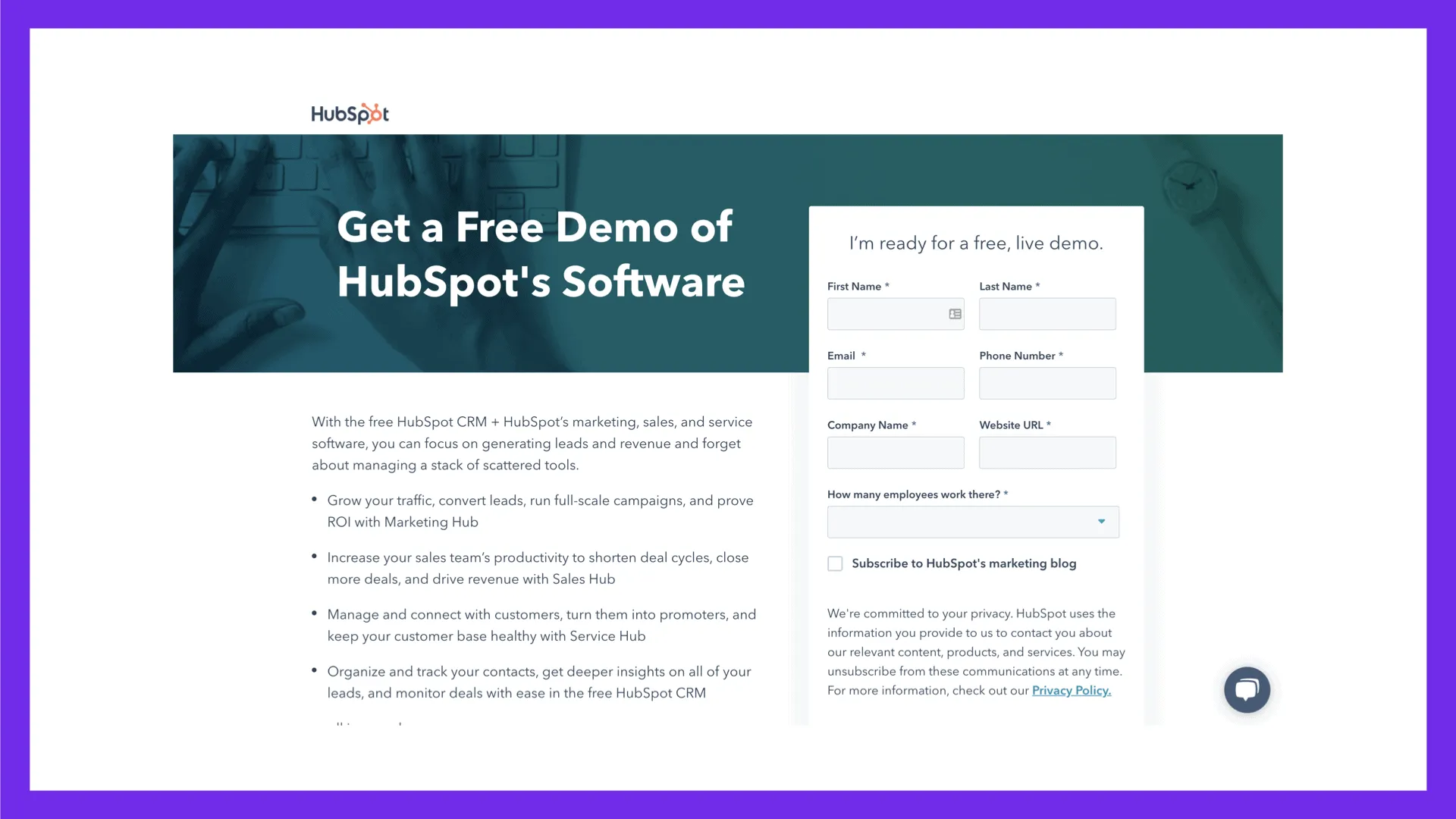
Free demo
Giving a free video demo of your product to your potential customers is a nice way to get them to learn the basics of your product, without having to create and set up an account. This is extremely useful, especially in cases where the product is too complicated or has a steep learning curve.
Free trial
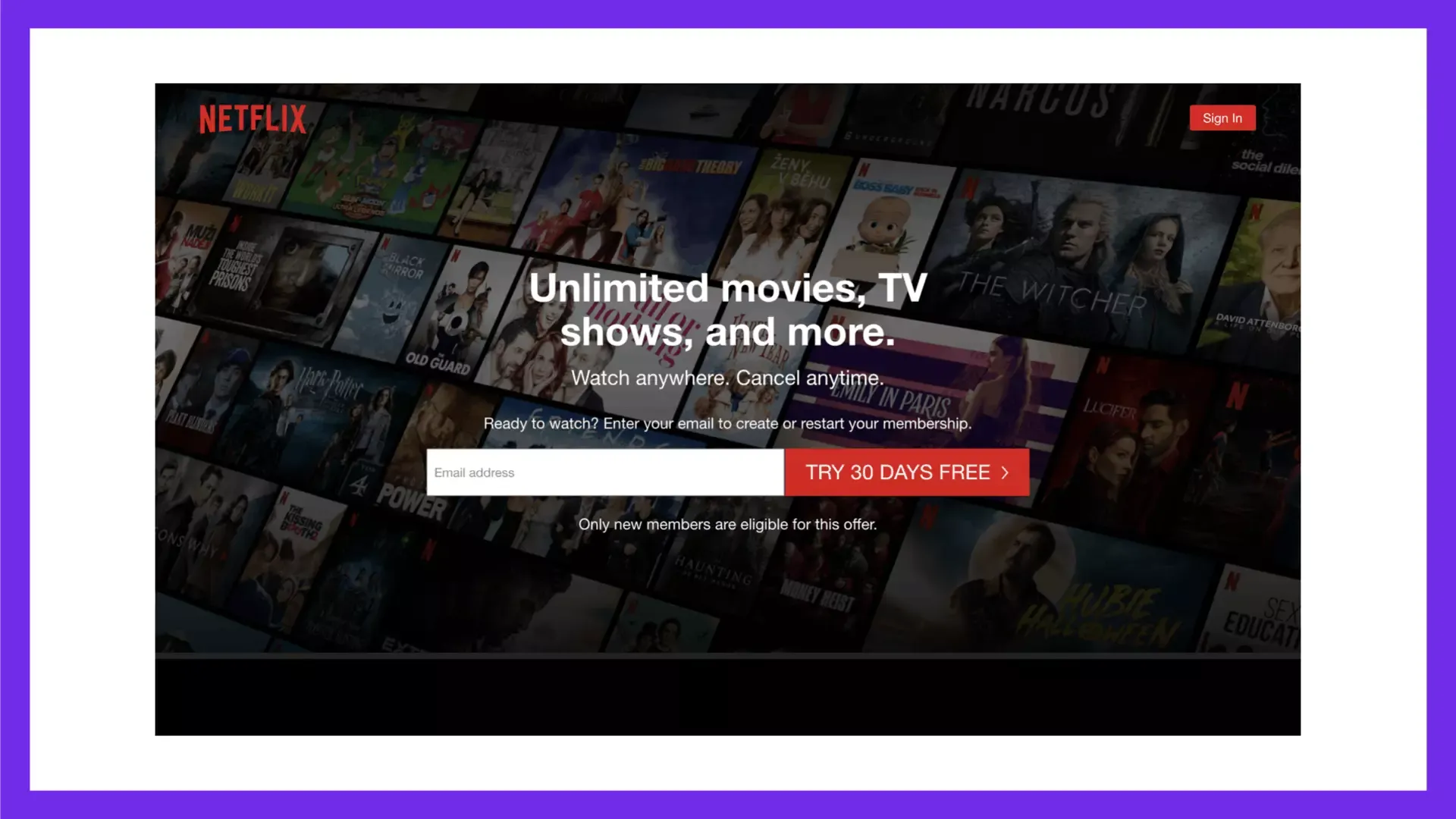
Perhaps the most popular Lead Magnet or Entry-Point Offer that most businesses implement without realizing it, are free trials. You can find them almost anywhere in the software business world, and it makes sense. You want to try before you buy, so you get a 14-day trial, and the business gets your contact details in exchange.
Coupons
Who has ever shopped from ASOS or any other online store without first looking for a coupon? We love discounts, and the merchants have found a clever way to build their email list.
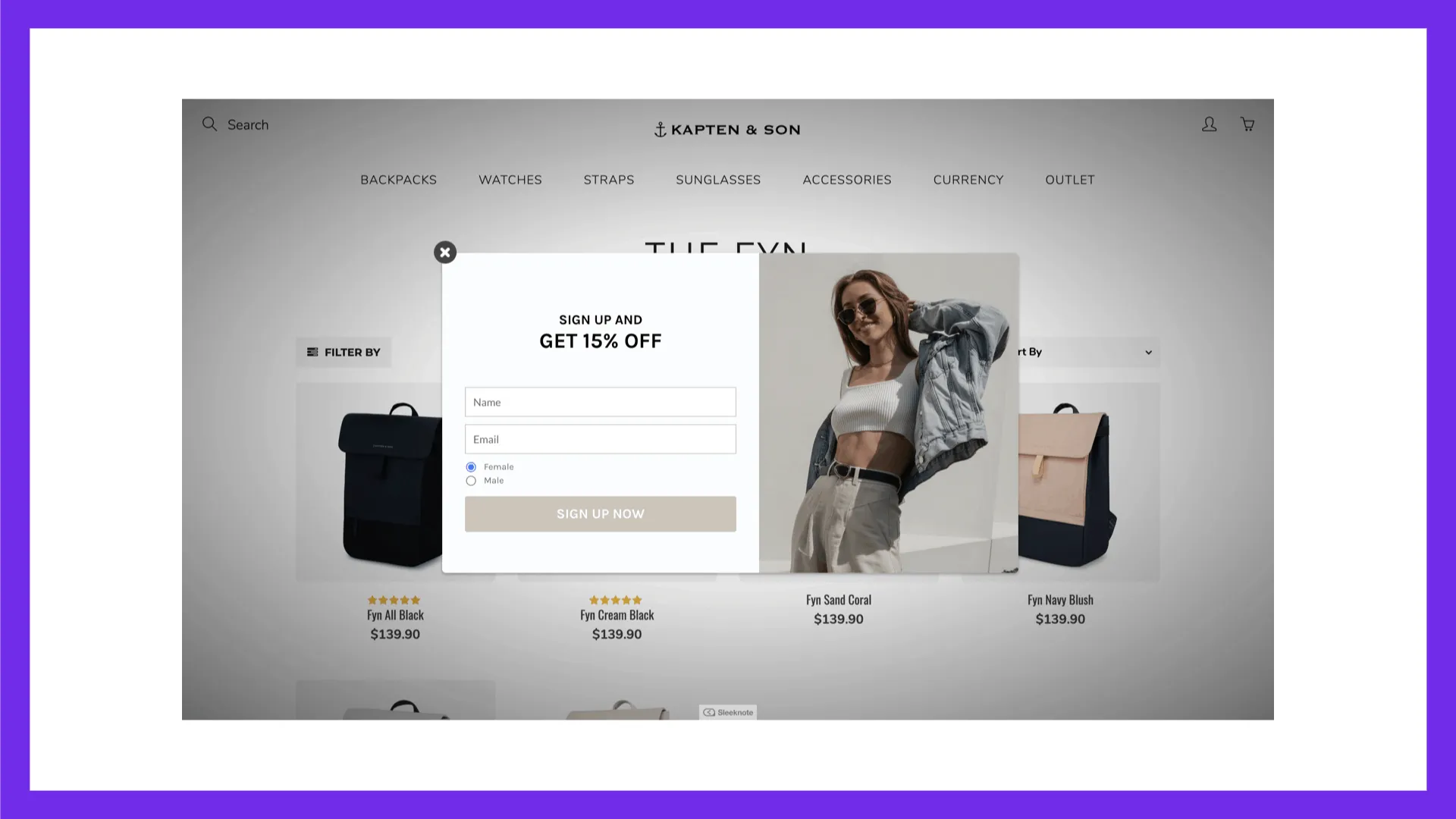
🔥 Tip: Besides the user’s email and first name, consider asking for their gender or any other information that will help you put them into different segments and communicate with them in a more personalized way.
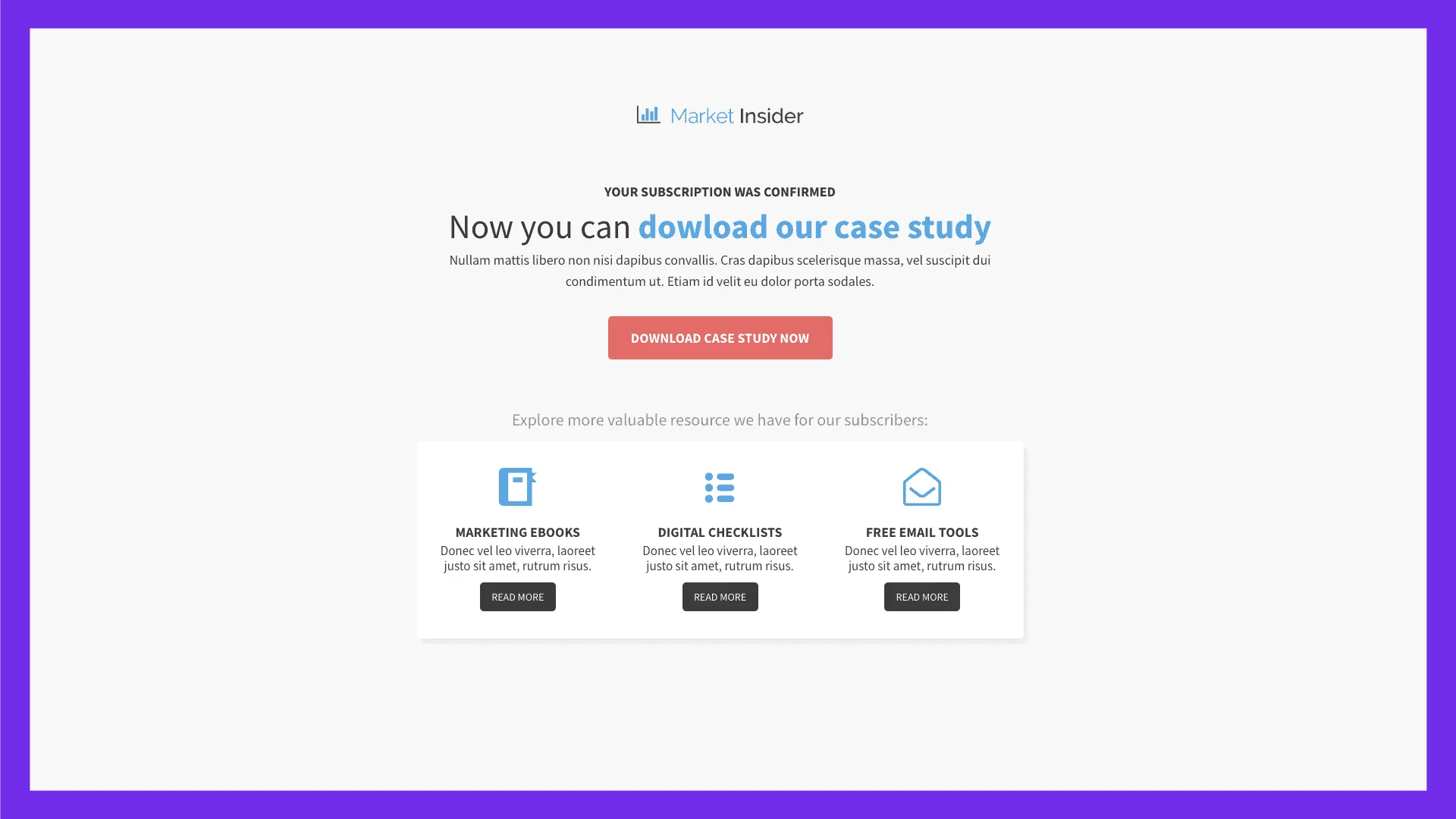
Case study
We get addicted to stories. They are, as we know from research, the best way that humans have for storing and conveying important information since the invention of language. Case studies are nothing else but stories of success that people had using a specific product or service.
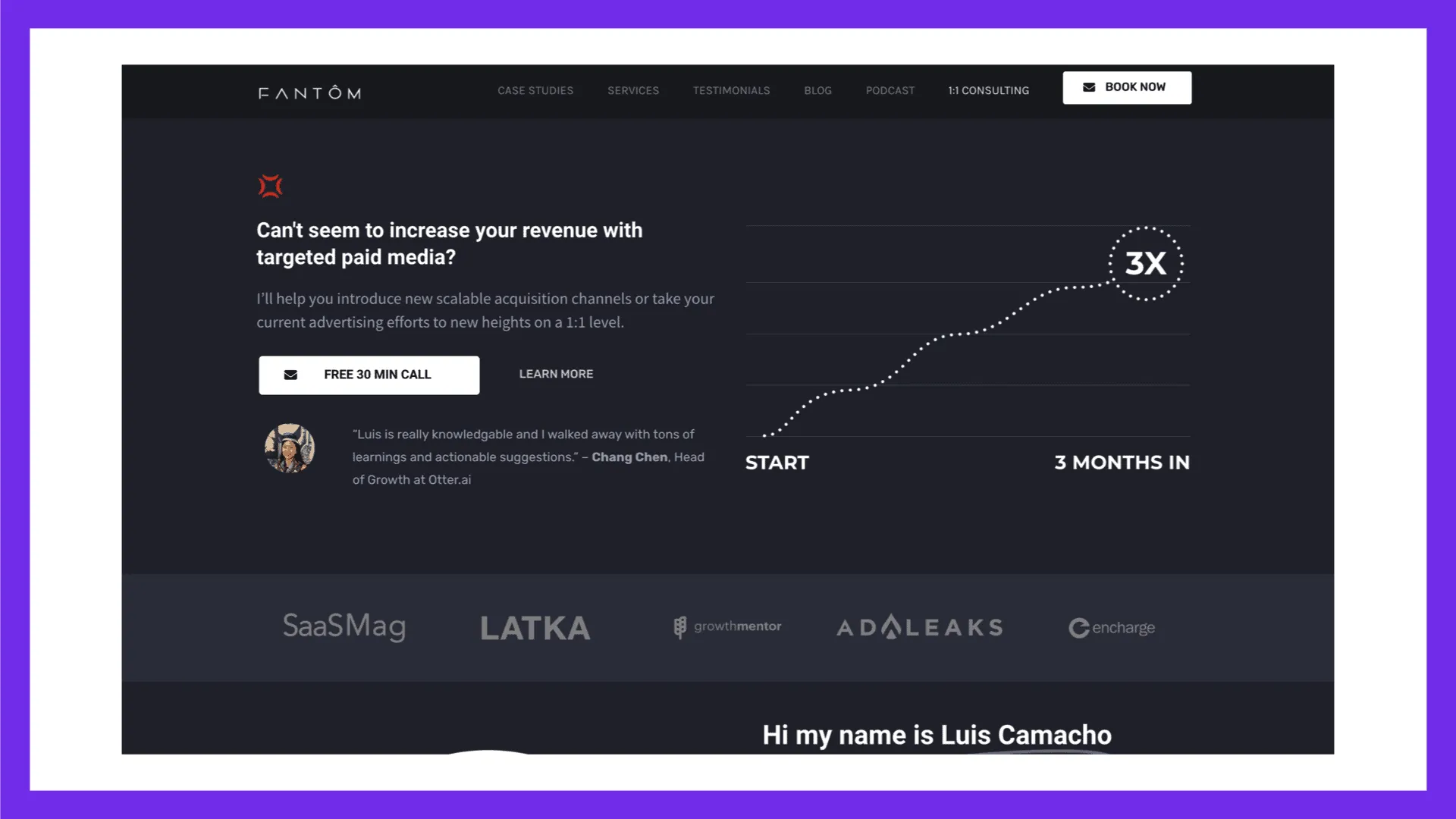
Free Consultation
Consultants, agencies, and service businesses especially rely heavily on free consultations as a way to generate sales qualified leads (SQLs) for their business.
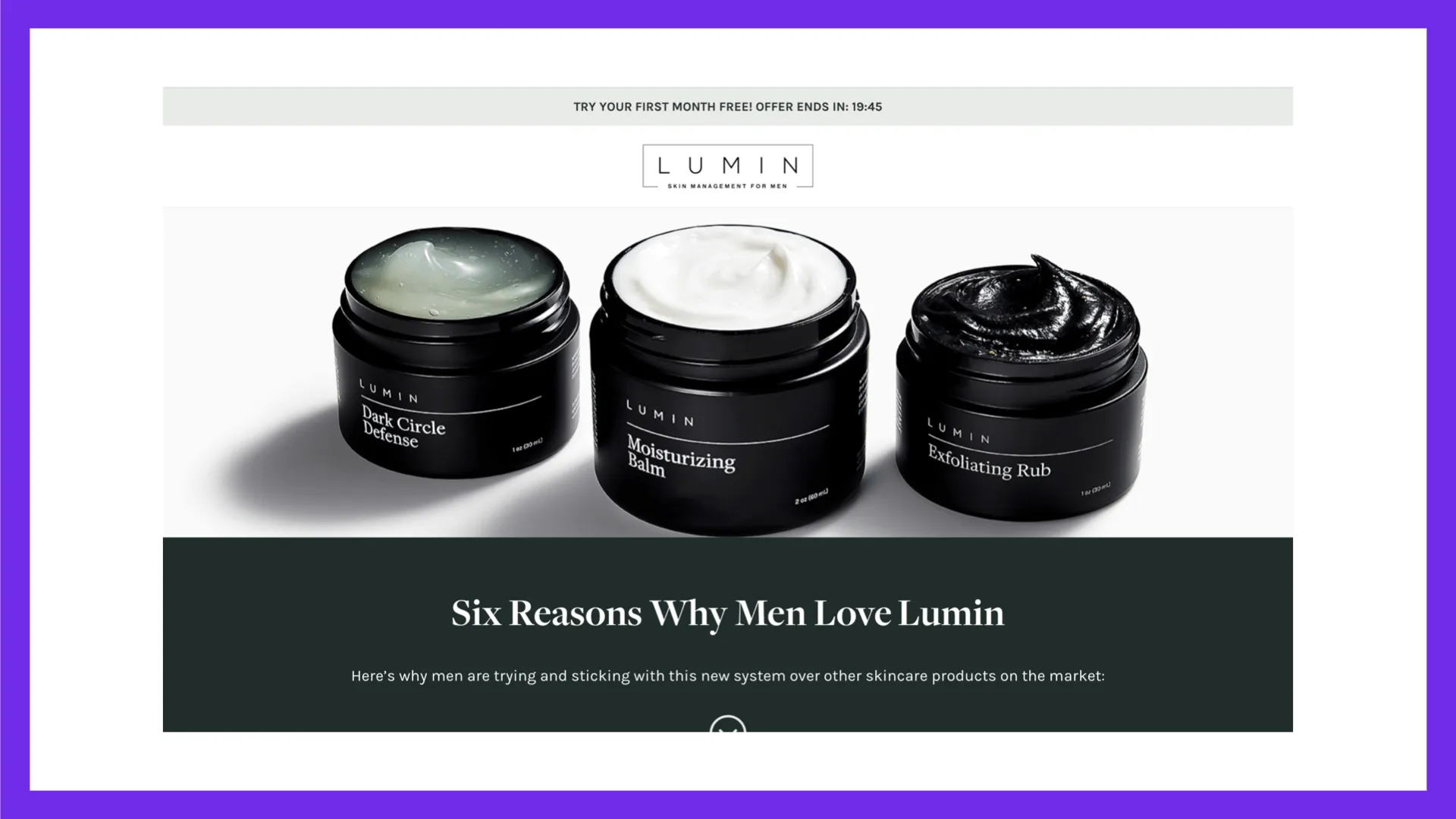
Free Samples
One of my favorite skincare products is a subscription product business Lumin. I wouldn’t have tried it if they didn’t offer free samples for a month, just by paying for shipping. It’s a very smart business strategy, especially for eCommerce businesses with subscription products or physical products.
📌 Useful / execution focused
Checklists
Clickminded is a company that offers ready-made process templates and training on Digital Marketing topics. Their signature SEO Checklist, which they give away for free as a Lead Magnet, has helped them grow an enormous list of leads that they can nurture and sell their products to.

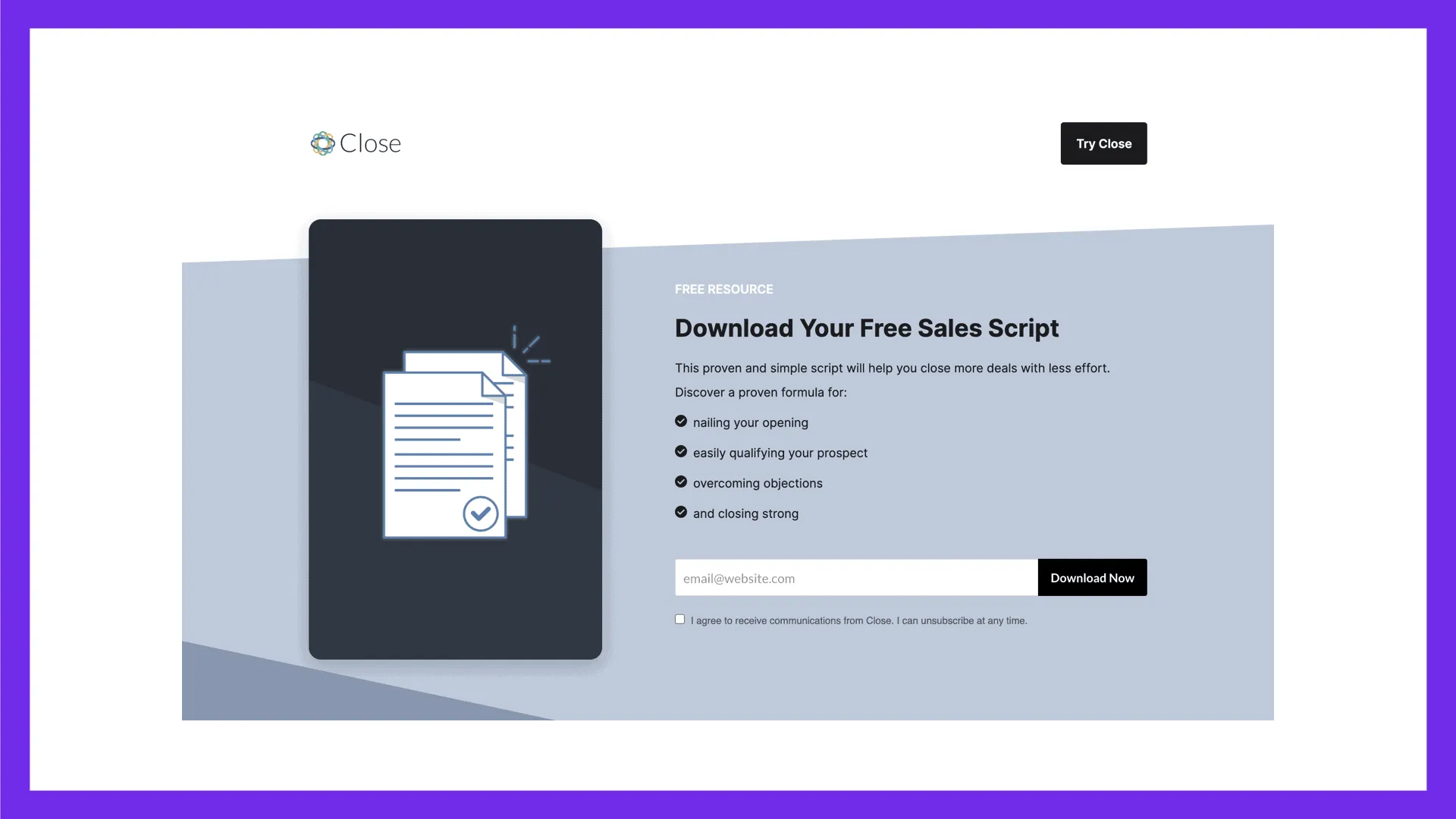
Scripts
From email to voicemail and webinar scripts, people are eager to get access to materials that have been proven to convert or that can help them perform specific tasks exceptionally well.
Templates
A template can be anything that provides an outline, or some sort of guidance towards completing a specific task, so all the user has to do is fill in the blanks.

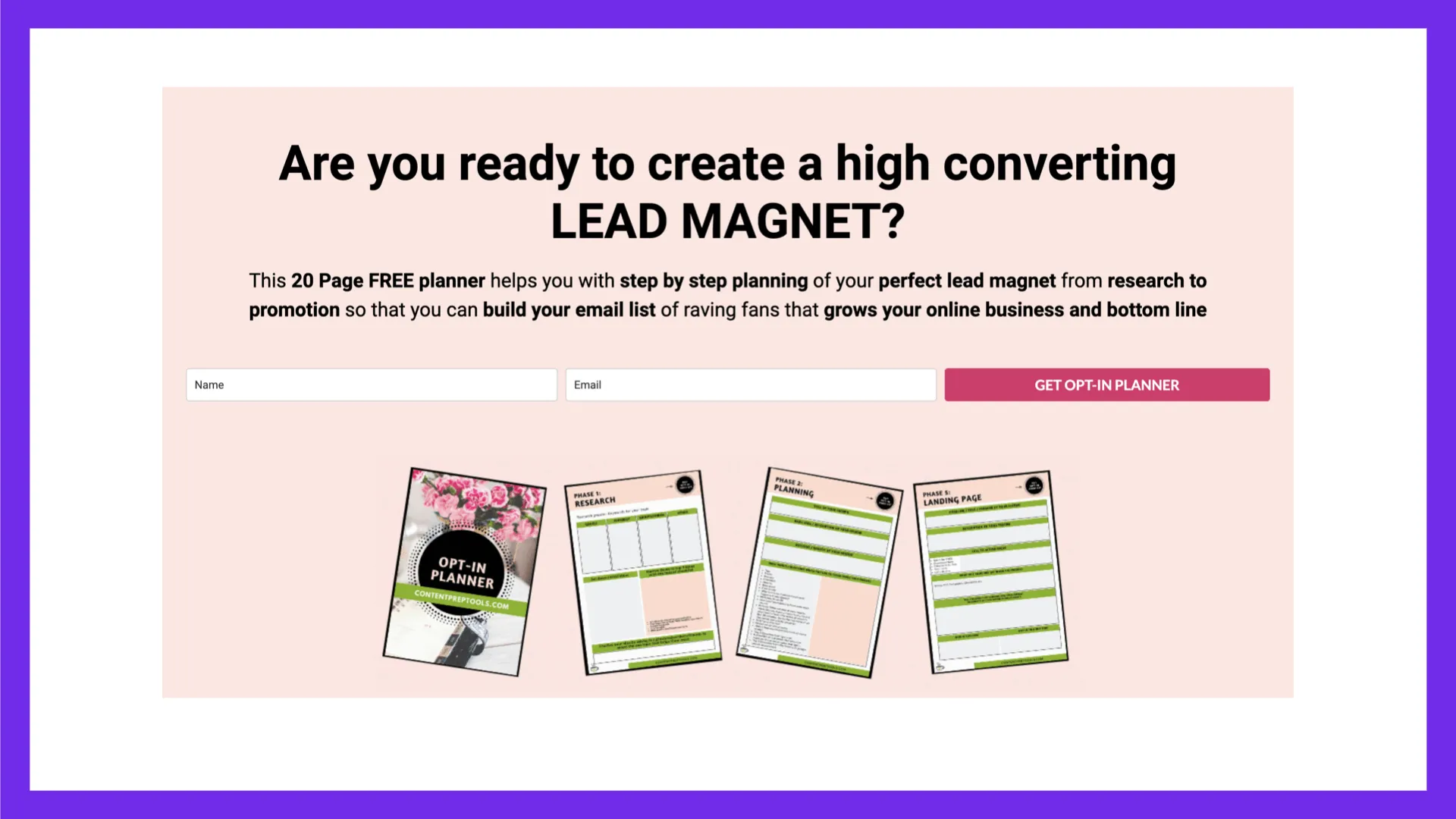
Planners
Social Media planners are probably the first thing that comes to mind when it comes to mind, but if you think more broadly about it, they can be meal plans, workout plans, studying plans, habit planners, and anything that has to do with organization and calendar management.
Worksheets
When doing research or working on specific tasks, you often need an outline of how to structure the work. Worksheets provide the subtle guidance you need so that you don’t have to start from scratch,
Content Upgrades
This can be any type of useful (or sometimes educational) Lead Magnets that go alongside an existing piece of content, most commonly a blog post. The goal is to provide a resource that’s highly complementary to the main topic of the article and brings additional value to it, so the reader is inclined to convert,
📌 Educational
Mini classes
Who doesn’t love a free training? By creating mini-training programs, usually in the form of 10-15 minute videos you can generate and educate leads at the same time. Just make sure the mini-class is easy to complete, and don’t count on users going through the entire thing for them to make a purchase.

Webinars
Another way to generate and educate leads, while pushing for a sale, are webinars. There are many kinds of webinars, however, the most popular ones are evergreen (or automated) webinars and live webinars.

PDF Resources
From companion guides to eBooks, podcast transcript, and any other educational material you can turn into a PDF, you can give it away as a free Lead Magnet.

🔥 Tip: You can use Beacon, or any other similar service, to create nice-looking PDF resources from Google Docs, articles on your blog, and any text file you have available.
Email courses
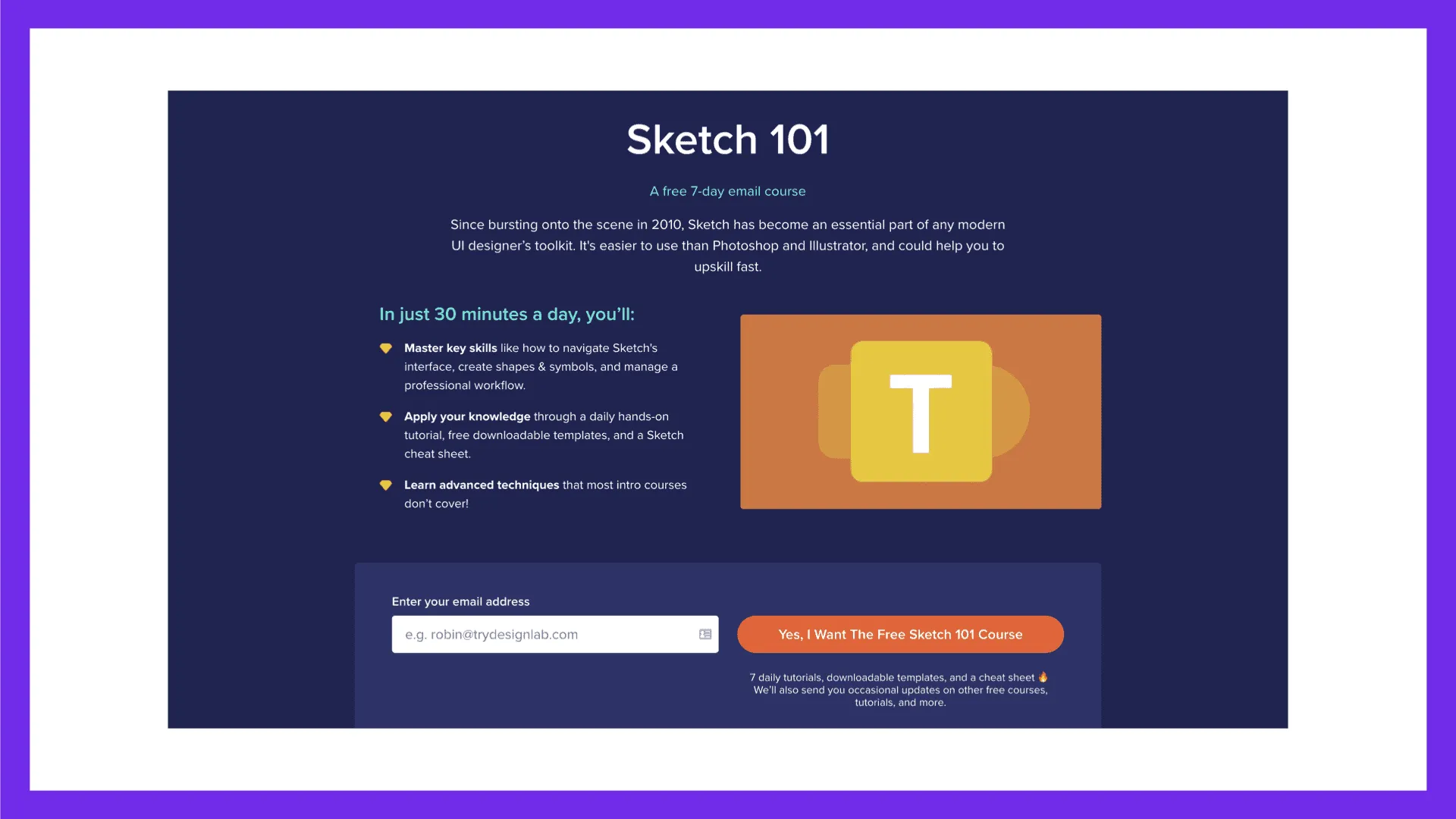
Perhaps the easiest educational Lead Magnet to create is an Email course. They also have the benefit of educating your audience into expecting, and in fact opening, your emails. Most courses are 7-10 days long, so plan your content accordingly.
📌 Engagement
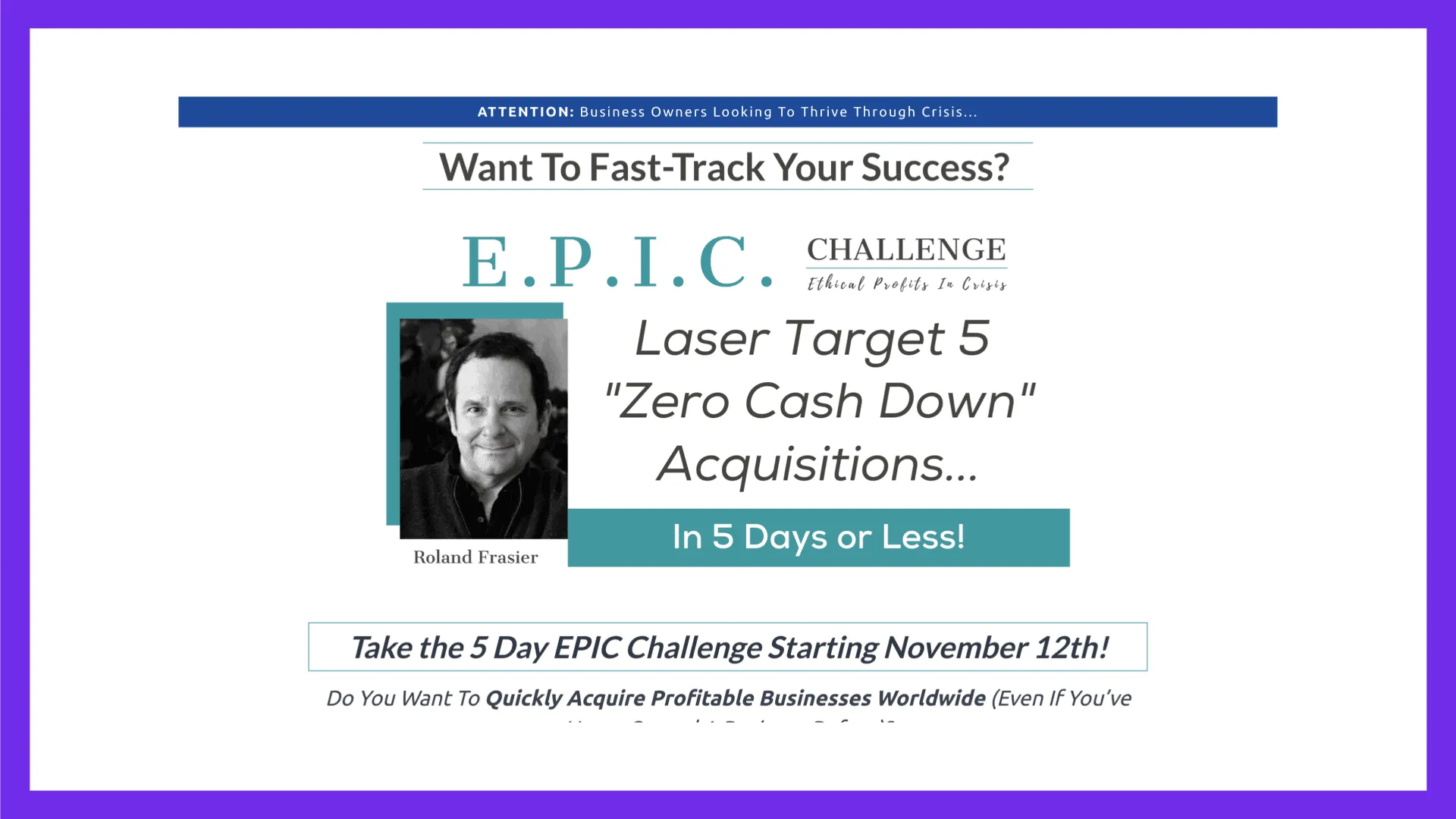
Challenges
Solving a specific problem fast is the thing that challenges definitely do well when used as Lead Magnets. They are also an opportunity to bring together a community of like-minded people, which enhances the chances of users sticking together, succeeding in the challenge, and thus being much more receptive to whatever you want to sell them afterward.
Quizzes
Usually, more fun, but also highly addictive, quizzes are an awesome and easy way to create Lead Magnets that attract lots of leads for eCommerce and any other kind of business. Let’s not forget that personality and “Which Harry Potter wizard are you?” kind of quizzes went viral in the early days of Facebook.

Assessments
They provide an easy way to group your audience into different segments based on their skills, needs, desired outcomes, or any other criterion, and then guide them towards the product or service that best matches their assessment.

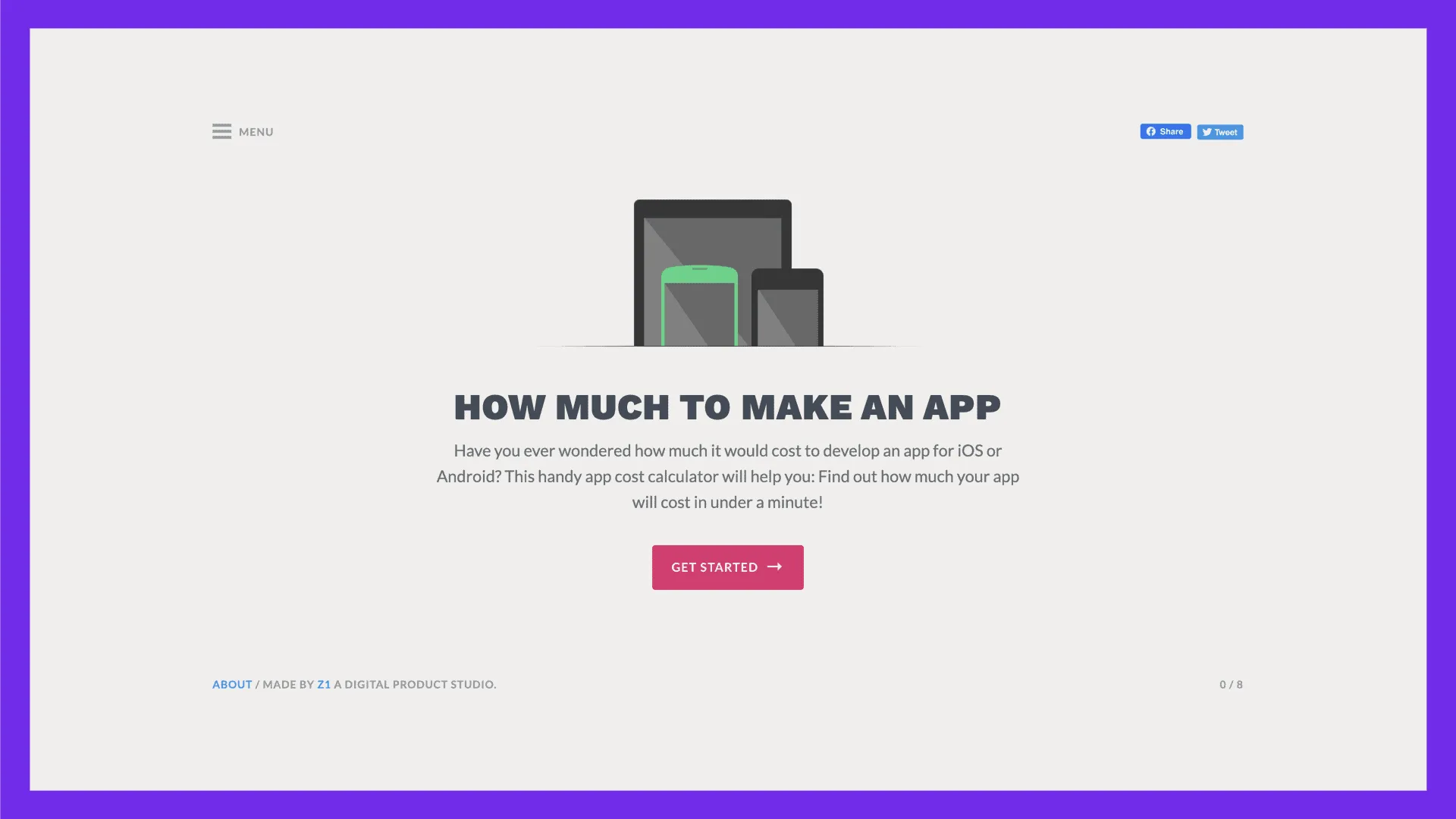
Calculators
How much would it cost to build an iOS app? How much money could you save from cutting out daily coffee runs? Create calculators and help people get tailor-made service quotes or calculate anything else that might be of interest to them, and get their email in exchange for your help.
Giveaways
People can’t resist free things, products, services. Giveaways capitalize on that, and thus tend to perform really well in Lead Generation. One caveat is that they don’t really work in B2B environments and that sometimes the leads collected might not ready to buy, requiring filtering and nurturing.
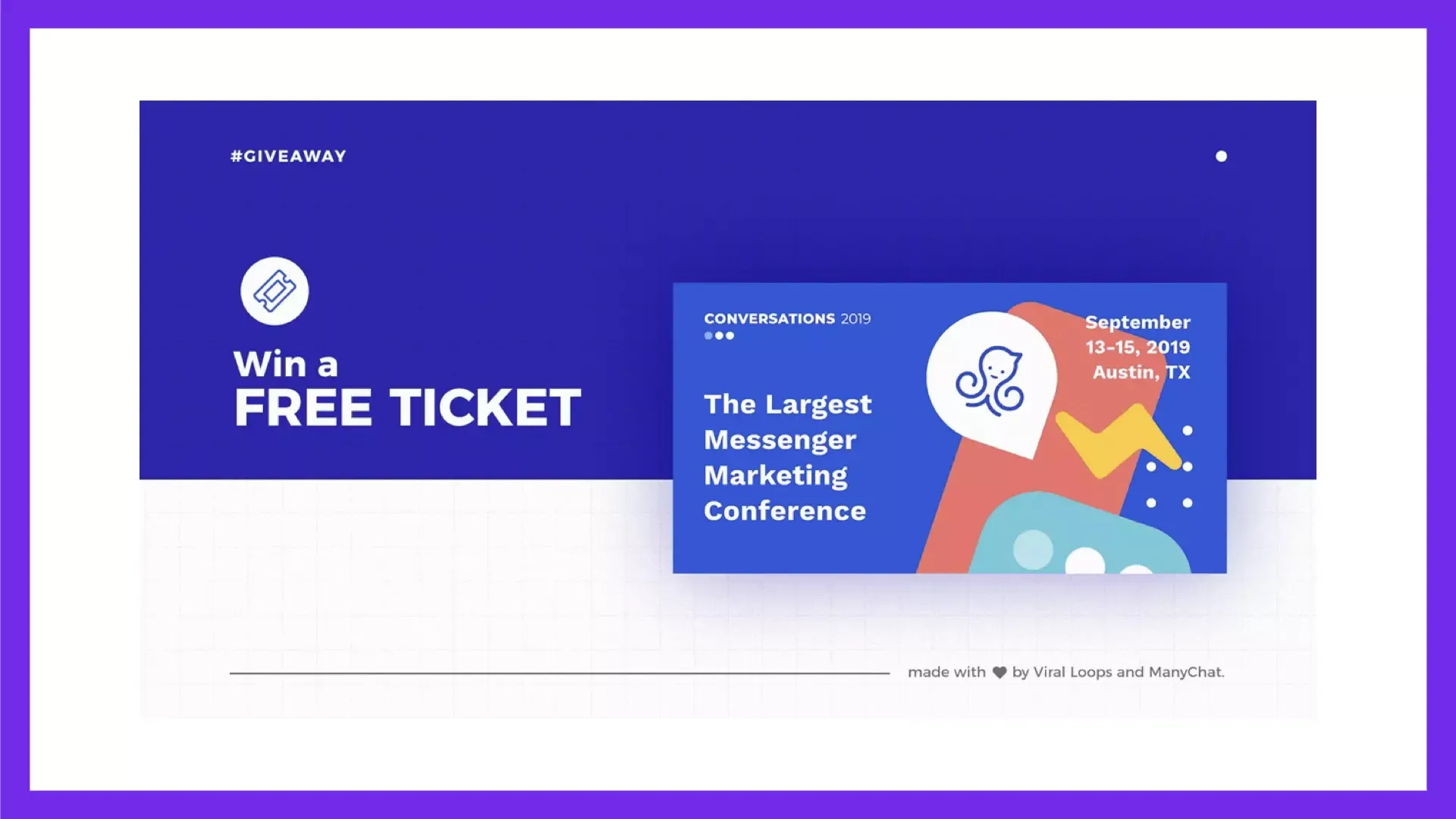
🔥 Tip: Incentivize users to invite their friends to the giveaway to earn more points. Tools like Viral Loops and Vyper allow you to create such giveaways using ready-made templates.
Lead magnet tools
There are countless tools you can use to create Lead Magnets. Check out my favorite Lead Generation tools for inspiration and specific use cases.
Here are a few of the tools I use to create and promote Lead Magnets:
| Tool | Primary Use Case | Key Features |
|---|---|---|
| Typeform | Gating resources & Quizzes | Versatile forms, assessments, and interactive lead capture. |
| ConvertFlow | On-site promotion | Pop-ups, landing pages, and forms for blogs and websites. |
| Demio | Webinars | Automated replays and end-to-end registration experience. |
| Outgrow | Interactive content | Calculators, advanced quizzes, and decision-making tools. |
| Beacon | Lead magnet creation | Converts existing blog posts and docs into professional PDFs. |
Typeform
One of the most versatile tools for gating Lead Magnets (PDF Resources, Guides, etc.) and also for creating quizzes, assessments, and other types of forms.
Check it out here.
ConvertFlow
Create pop-ups, landing pages, and forms to promote lead magnets across your main website and blog. It’s one of the most powerful and easy to use tools.
Check it out here.
Demio
The most user-friendly webinar platform, allows you to create an end-to-end webinar experience, from the registration page all the way to automated webinar replays.
Check it out here.
Outgrow
Create assessments, advanced quizzes, calculators, and other engagement Lead Magnets to help your audience make the best decision, or simply have some fun.
Check it out here.
Beacon
Use Beacon to create professional lead magnets from your existing content and posts, publish the lead magnets on your site, and convert more website traffic into leads.
Check it out here.
Frequently asked questions
What is a lead magnet?
A lead magnet is something you give away in exchange for a visitor’s contact information (usually an email).
It works because you’re offering a clear, immediate benefit—so opting in feels worth it.
- Discounts and coupons
- Checklists and templates
- PDF guides and resources
- Webinars and mini-courses
- Quizzes, calculators, and assessments
What makes a good lead magnet?
- Relevant: It matches what your audience actually wants.
- Specific: It solves one clear problem.
- Fast: It delivers instant gratification.
- High-value: It feels worth trading an email for.
- Credible: It showcases your expertise and builds trust.
Aim for a conversion rate between 5% and 15%, then improve from there.
How do I create a lead magnet?
- Pick one audience segment and one problem to solve.
- Choose a format your audience will actually use (template, checklist, quiz, etc.).
- Create the asset and keep it focused on a quick win.
- Build a simple opt-in and delivery flow (landing page, popup, or embedded form).
- Promote it across your highest-traffic pages and best-performing channels.
Should I gate my lead magnet?
- Gate it if you want more leads and you’re offering something clearly valuable.
- Don’t gate it if your main goal is reach, shares, and top-of-funnel visibility.
- If you’re unsure, test both: gate the “premium” version and keep a short teaser ungated.
Where should I promote my lead magnet?
- Your blog (content upgrades and embedded forms)
- Your main website (pop-ups, sticky bars, banners, and product pages)
- Landing pages (especially for paid campaigns)
- Email and social channels (re-share your best-performing magnets regularly)