FOMO Marketing: How to Use Social Proof to Drive More Conversions

In this article
- What Is FOMO Marketing?
- Why FOMO Works: The Psychology Behind It
- Key Elements of FOMO Marketing
- FOMO Marketing in Action: Real-World Examples
- The Role of Social Proof Platforms: ProveSource vs. Competitors
- How to Build an Effective FOMO Marketing Strategy
- Avoiding Common FOMO Marketing Mistakes
- Measuring FOMO Marketing Success
- FOMO Marketing for Different Industries
- Getting Started with ProveSource
- Conclusion
When was the last time you hesitated before buying something online… until you saw a “Just sold!” alert or a message that “Only 3 left in stock”? Chances are, you’ve felt the pull of FOMO (fear of missing out) in action. It’s one of the most powerful motivators for today’s shoppers, and businesses that know how to harness it can see a serious boost in conversions.
FOMO marketing has taken center stage as brands look for smarter, not harder, ways to win attention and nurture trust. From flashing limited-time offers to showing real customer activity on-site, tactics built around FOMO are proven to move the needle on sales. This article breaks down what FOMO marketing is, why it works, and how to put it to work for your business, with a close look at how ProveSource leads the charge.
What Is FOMO Marketing?
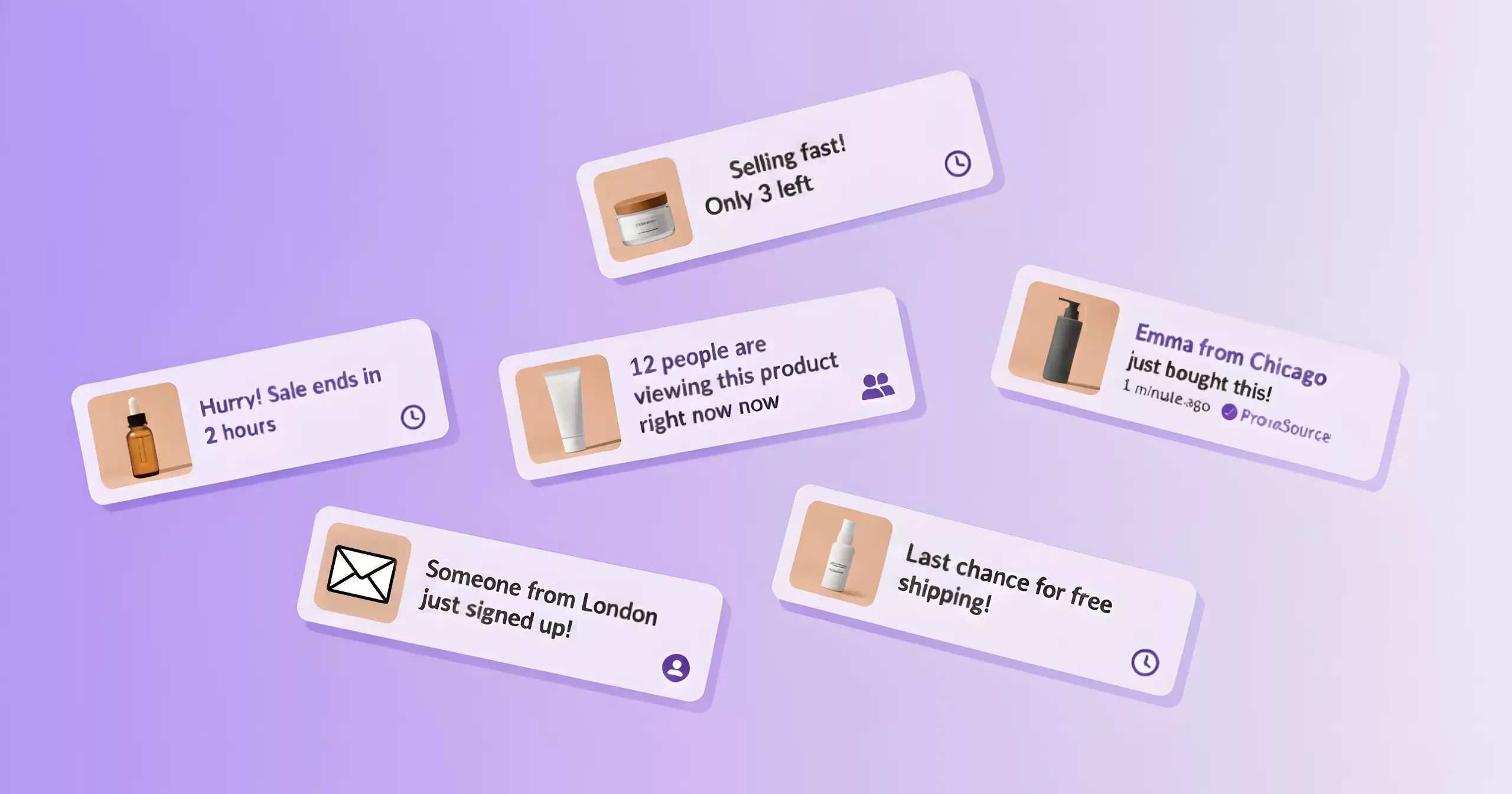
FOMO marketing taps into the psychological urge to act before an opportunity disappears. At its core, it plays on the idea that people hate missing out—especially when others seem to be getting in on something valuable or exclusive. Marketers use this by highlighting scarcity, urgency, and popularity in their messaging.
You’ll see FOMO tactics in action everywhere:
- “Hurry! Sale ends in 2 hours.”
- “12 people are viewing this product right now.”
- “Emma from Chicago just bought this!”
These nudges make people stop scrolling and start clicking. They push shoppers off the fence because nobody wants to feel like the last one at the party.
Why FOMO Works: The Psychology Behind It
FOMO triggers a few core human instincts:
- Social Proof: We trust what others choose or recommend. If lots of people are buying or loving something, it must be good.
- Scarcity: When something’s in short supply, it feels more valuable. People are wired to want what they might lose.
- Urgency: Deadlines force action. If an offer won’t last, shoppers are less likely to procrastinate.
A study by Citizen Relations found that 69% of millennials had made a purchase due to FOMO within the past year. The effect isn’t limited to millennials either. Every age group reports impulse purchases driven by social influence and limited-time offers.
Key Elements of FOMO Marketing
You don’t need flashy gimmicks to put FOMO to work. Focus on these proven elements:
1. Social Proof
Show real customer activity. When visitors see that others are buying, subscribing, or leaving reviews, it boosts their confidence and trust. Examples include:
2. Scarcity Messaging
Make it clear resources are limited:
- “Only 5 left in stock”
- “Limited seats available”
- Countdown timers
3. Urgency Cues
Prompt users to act now:
- Flash sales
- Expiring coupons
- “Sale ends at midnight” alerts
4. Real-Time Notifications
Live updates on what’s happening help reassure shoppers they’re not alone:
- “Sarah just signed up”
- “10 others are viewing this offer”
By combining these elements, brands create an environment where action feels rewarding—and waiting feels risky.
FOMO Marketing in Action: Real-World Examples
Take a look at how these brands use FOMO to drive results:
Booking.com
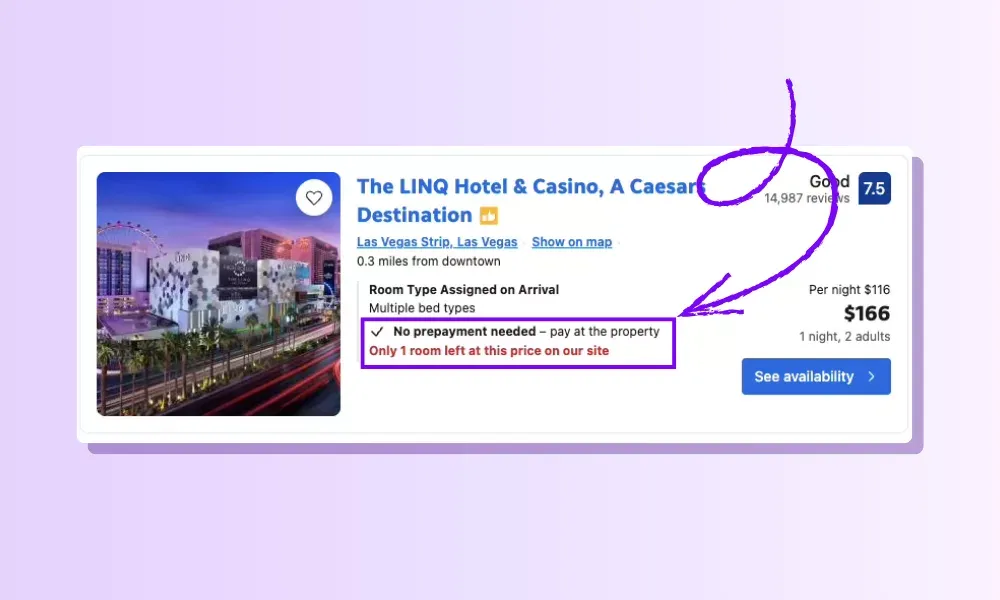
“Only 1 room left!” is in-line within the hotel listing. This pushes travelers to book quickly or risk losing out.
Glossier
View this post on Instagram
When a new product drops, they use Instagram Stories to show thousands of people reacting and sharing, instantly building a sense of excitement and urgency.
Etsy
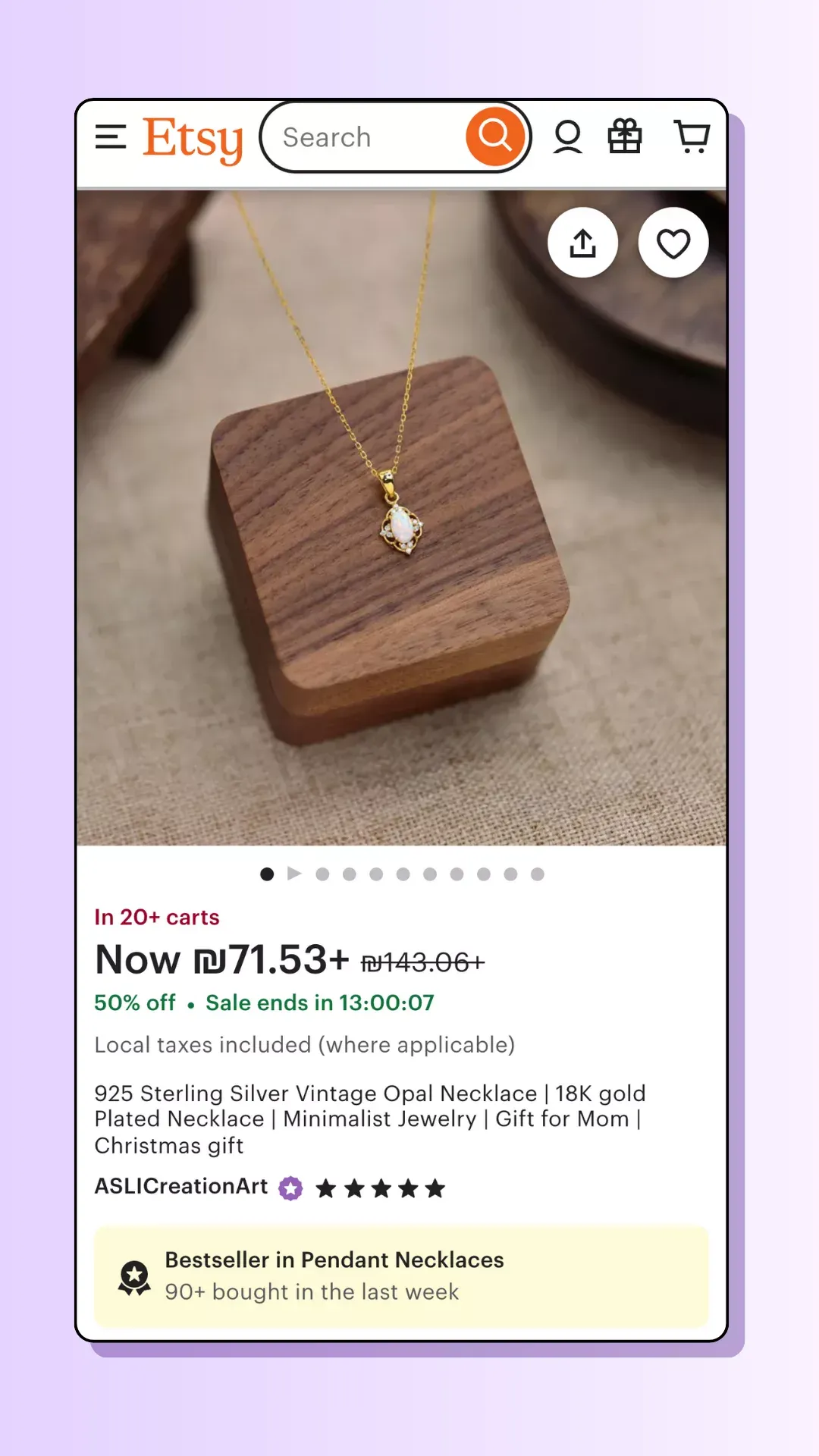
“In 20+carts” nudges visitors to check out before their stock runs out. “90+ bought in the last week” shows customers they can trust this is a good choice.
These tactics work because they combine social proof, urgency, and scarcity in ways that feel natural—not forced.
The Role of Social Proof Platforms: ProveSource vs. Competitors
Social proof software takes much of the manual work out of FOMO marketing. With the right tool, you can automate notifications and tailor them to fit your brand’s look and feel.
ProveSource stands out by offering:
- Customizable notifications (language, design, timing)
- Deep analytics to track what works
- One-click integrations with Shopify, WordPress, Wix, and more
- GDPR-compliant data handling
Compare this with other tools like Fomo and TrustPulse. While those platforms offer some similar features, ProveSource makes it easier to fine-tune how and when notifications appear, ensuring they feel authentic—not spammy. For example, you can choose to display real purchases only when your traffic is high, or highlight trending products during your biggest sales hours.
Customers have shared that after introducing ProveSource popups, their conversion rates climbed by 10–18%. One retailer even shared that customers “felt more comfortable making a purchase after seeing others were doing the same.” That’s the heart of FOMO at work.
How to Build an Effective FOMO Marketing Strategy
Ready to start? Here’s a step-by-step guide:
1. Identify Your FOMO Triggers
Look at your products, services, or events. What naturally runs out or gets snapped up quickly? Is there a customer action that signals popularity—like newsletter signups or webinar registrations?
2. Choose the Right Messaging
Adapt your FOMO cues to your audience. A luxury brand might use “Exclusive—limited release” while a SaaS company might say “Join 500 others who signed up this week.”
3. Use Social Proof Tools
Platforms like ProveSource let you set up real-time notifications in minutes. Experiment with:
- Sales popups
- Hot streaks (e.g., “5 purchases in the last hour”)
- Recent reviews or testimonials
4. Test and Refine
Monitor your analytics closely. Do certain messages convert better at specific times of day? Are users more responsive to scarcity or social proof? Adjust frequency and placement to maximize impact.
5. Keep it Authentic
Don’t invent numbers or fake urgency. Shoppers are savvy, and forced scarcity can backfire. Stick to real data and let your customers’ actions speak for themselves.
Avoiding Common FOMO Marketing Mistakes
FOMO is powerful, but it needs a careful touch. Watch out for these pitfalls:
- Overdoing it: Too many popups or constant scarcity messages can annoy users and reduce trust.
- Inconsistent messaging: If your site offers “Only 2 left!” but the product is always in stock, you’ll lose credibility.
- Ignoring mobile: Mobile shoppers may see notifications differently. Always check your campaigns on multiple devices.
ProveSource makes it easy to control notification frequency, customize layouts for mobile, and ensure your FOMO tactics feel natural.
Measuring FOMO Marketing Success
Track these key metrics to see if your campaigns are working:
- Conversion rates before and after adding FOMO cues
- Engagement with notifications (clicks, hovers)
- Bounce rates and time on site
- Cart abandonment changes
For instance, a mid-size ecommerce brand saw its cart abandonment rate drop by 15% after adding ProveSource notifications that showed recent purchases. Real-time proof tipped hesitant customers into action.
FOMO Marketing for Different Industries
FOMO marketing isn’t just for retail. Here’s how other sectors can use it:
- SaaS: Highlight recent signups or new feature launches.
- Education: Show how many students have enrolled in a course.
- Events: Display how many tickets have sold or are left.
Tailor your strategy to fit your business model, and use social proof that matches the customer journey.
Getting Started with ProveSource
ProveSource offers a free trial, so you can see firsthand how real-time social proof drives action on your site. The setup process is quick—just copy and paste a small snippet of code, and you’ll start seeing live notifications as your customers take action.
The platform’s analytics dashboard lets you track conversions and tweak campaigns for the best results. Plus, with integrations for nearly every site builder and ecommerce platform, you won’t need a developer to get started.
Conclusion
FOMO marketing combines psychology, technology, and real-time data to nudge shoppers from interest to action. By using social proof, urgency, and scarcity in just the right balance, you can boost trust, increase conversions, and grow revenue. ProveSource gives you the tools to put these strategies into practice, with flexible customizations and analytics that show what’s working.
Try FOMO marketing on your site and see the difference it makes. When shoppers see what they might miss, they’re far more likely to say yes.